Morisco Zambras for Emperor Charles V.
Musical Instruments from al-Andalus
From 25 June 2026
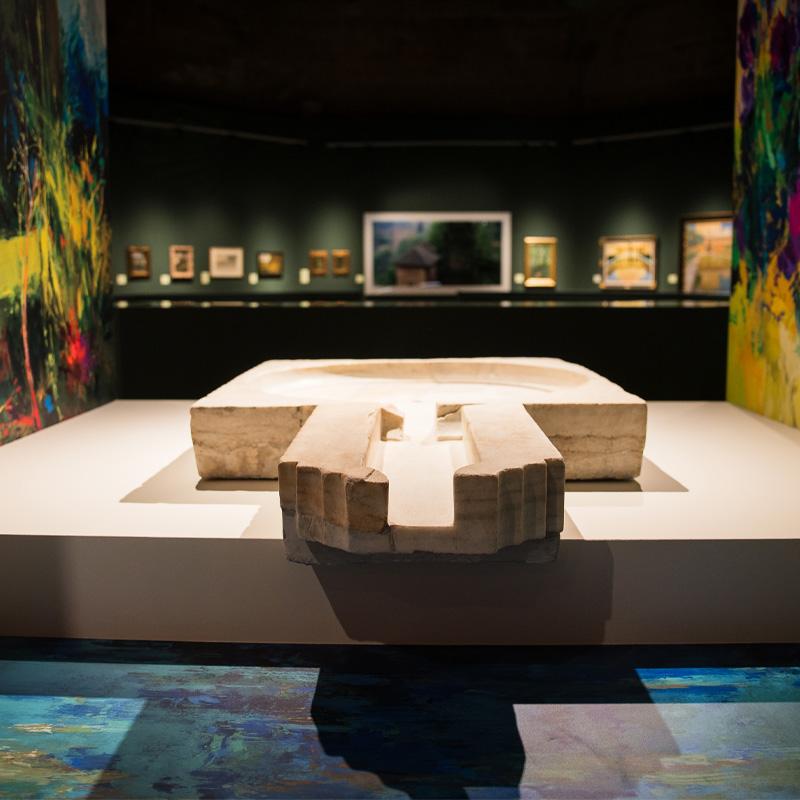
Corral del Carbón, Granada. Headquarters of El legado andalusí Andalusian Public Foundation
FREE ADMISSION
Opening Hours
Monday to Friday: 9:00 am – 2:15 pm
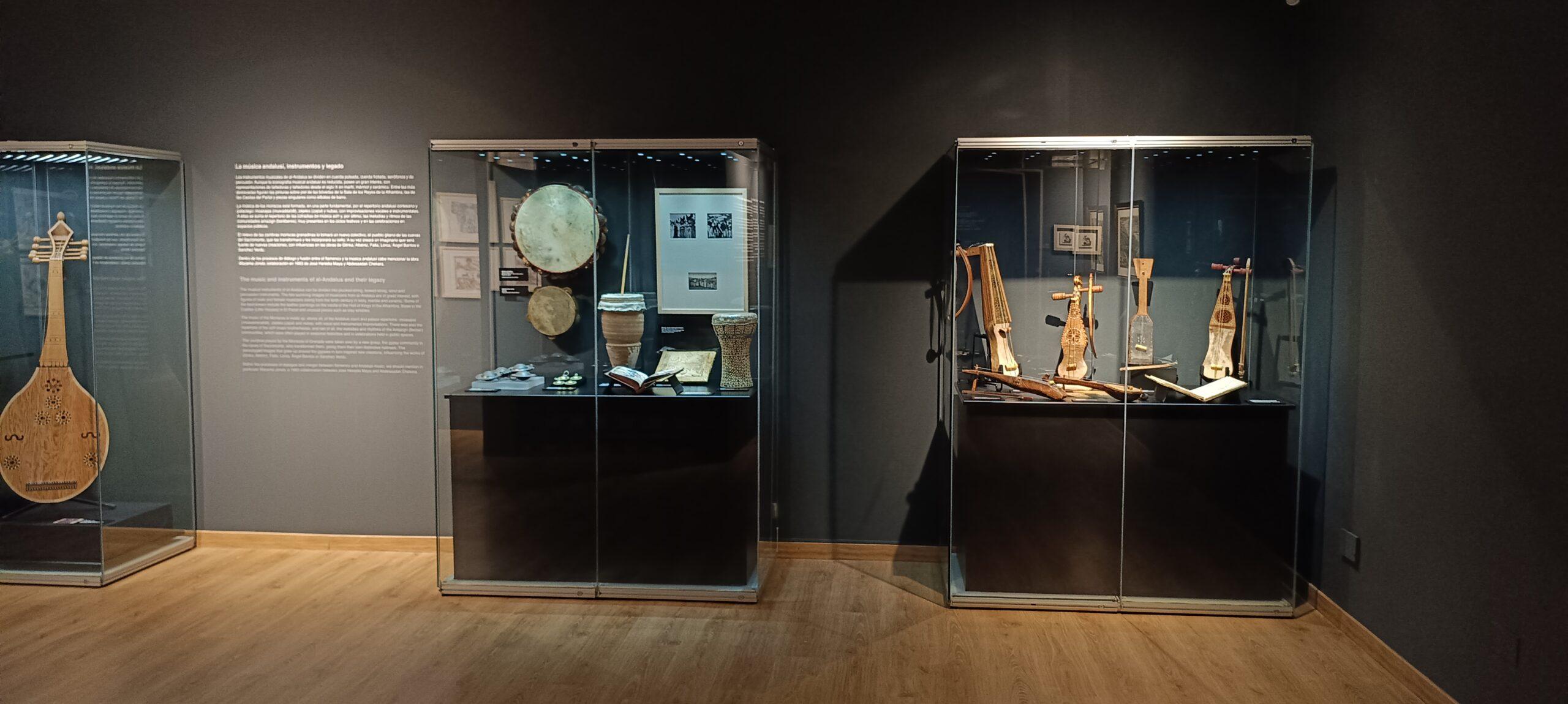
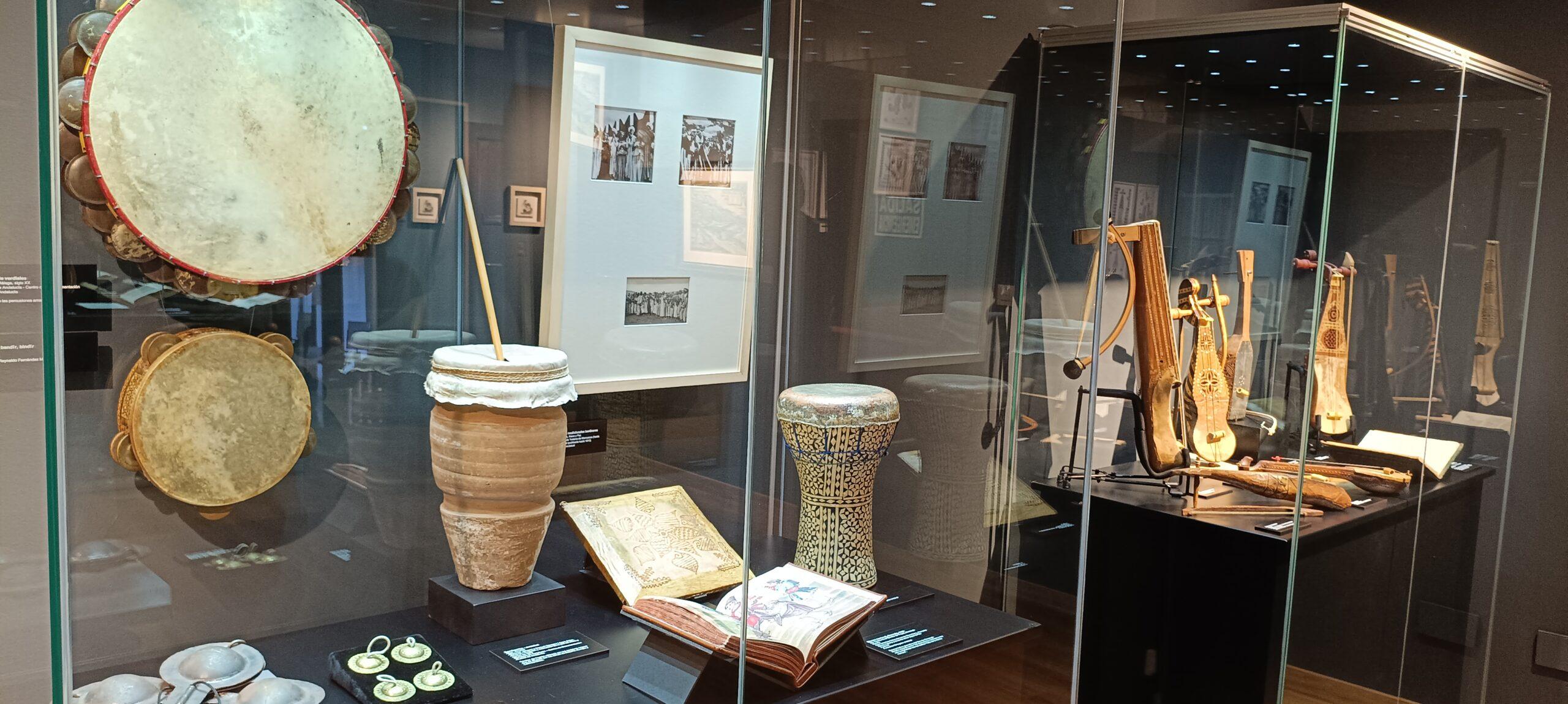
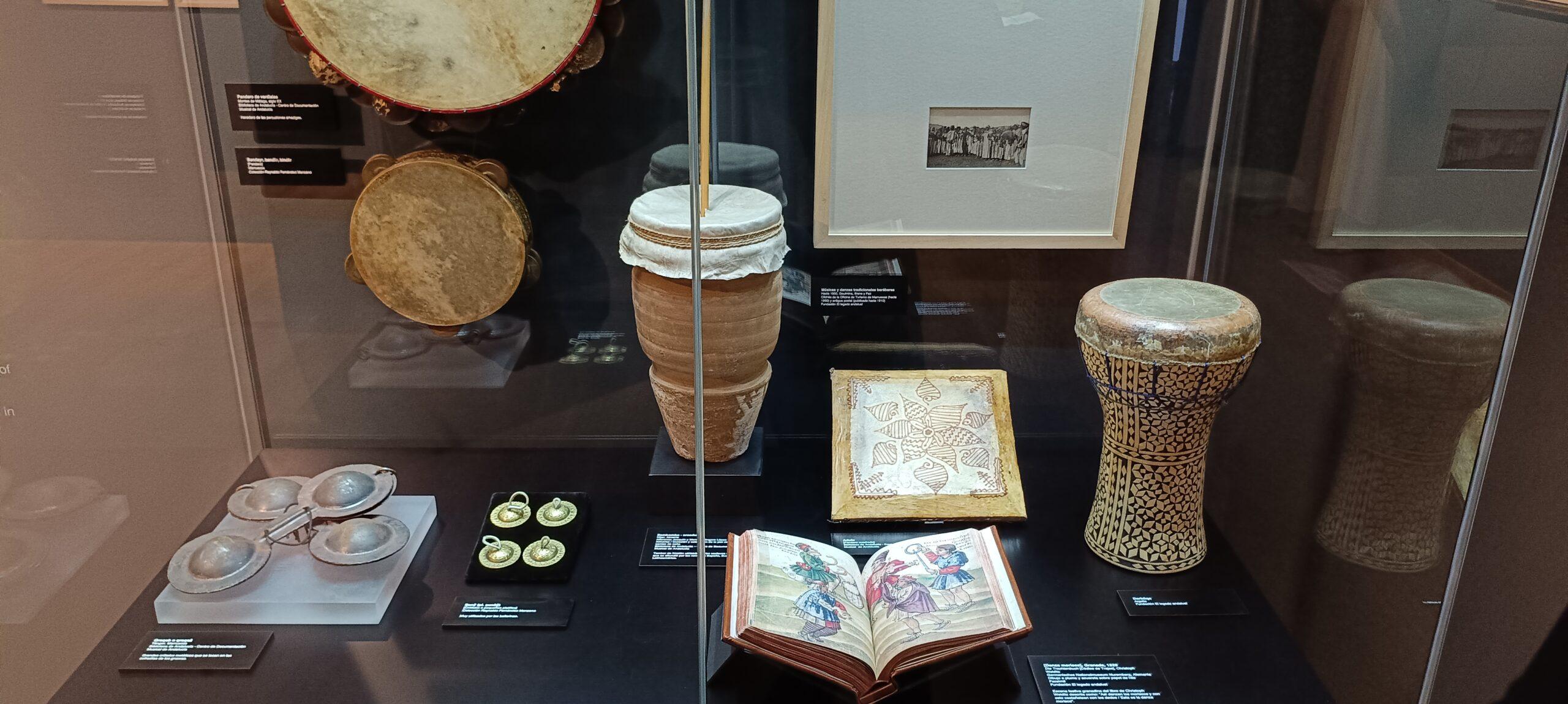
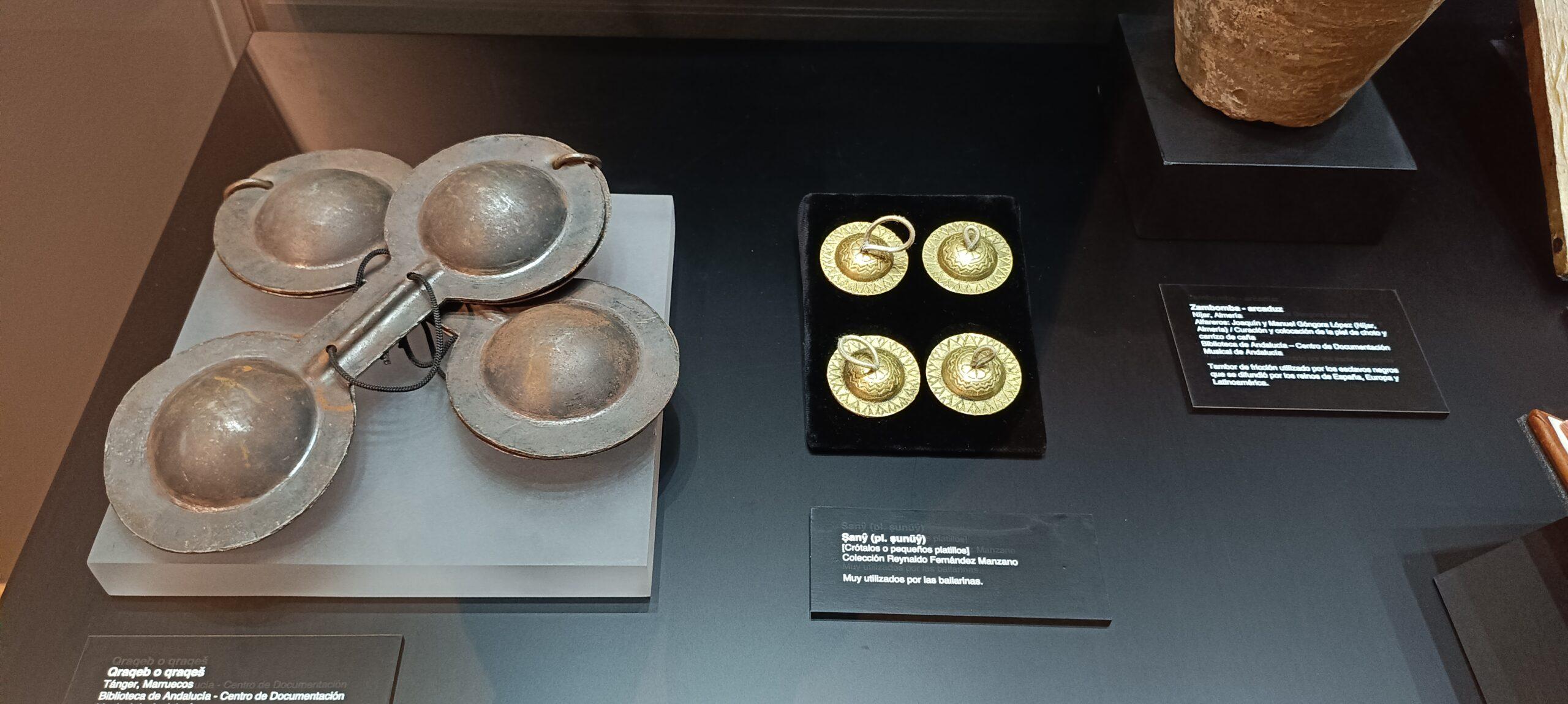
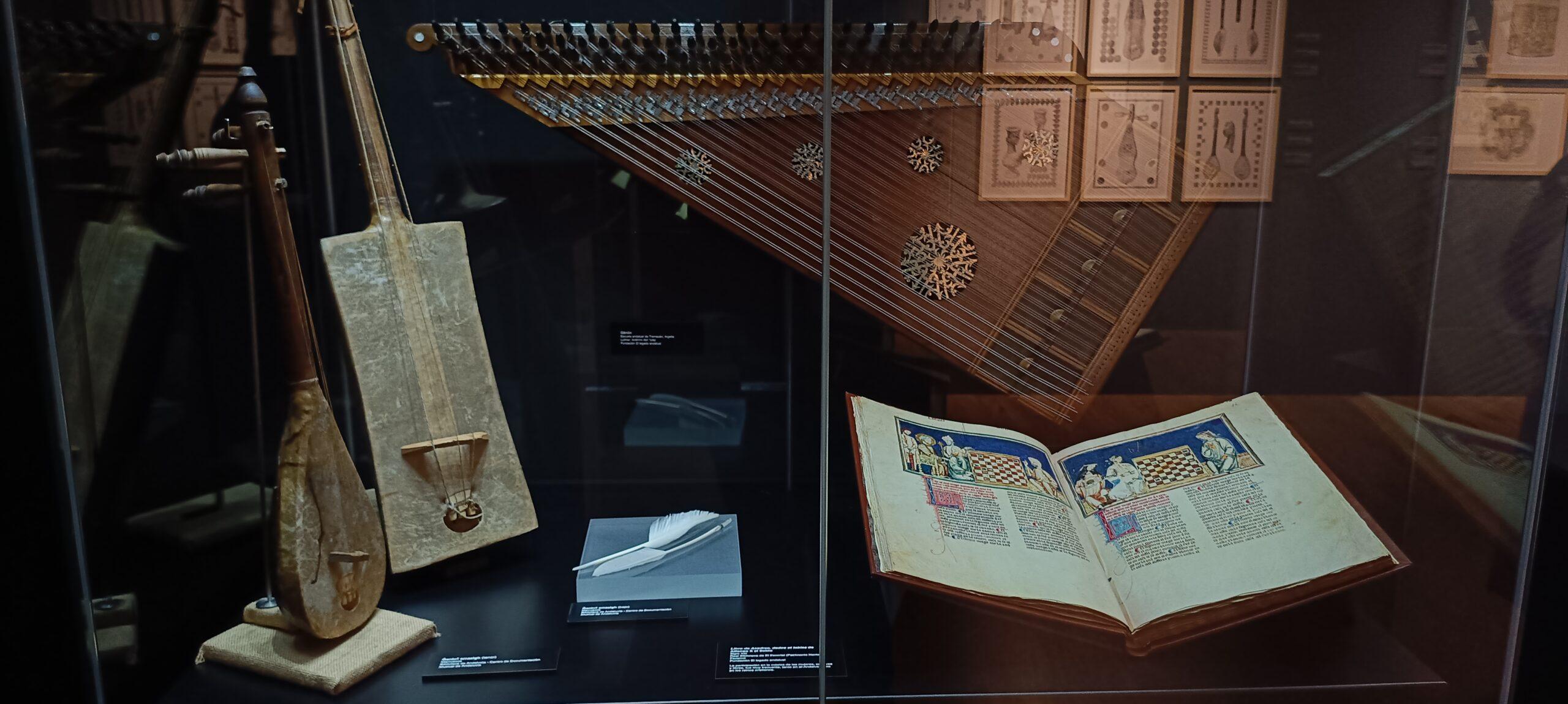
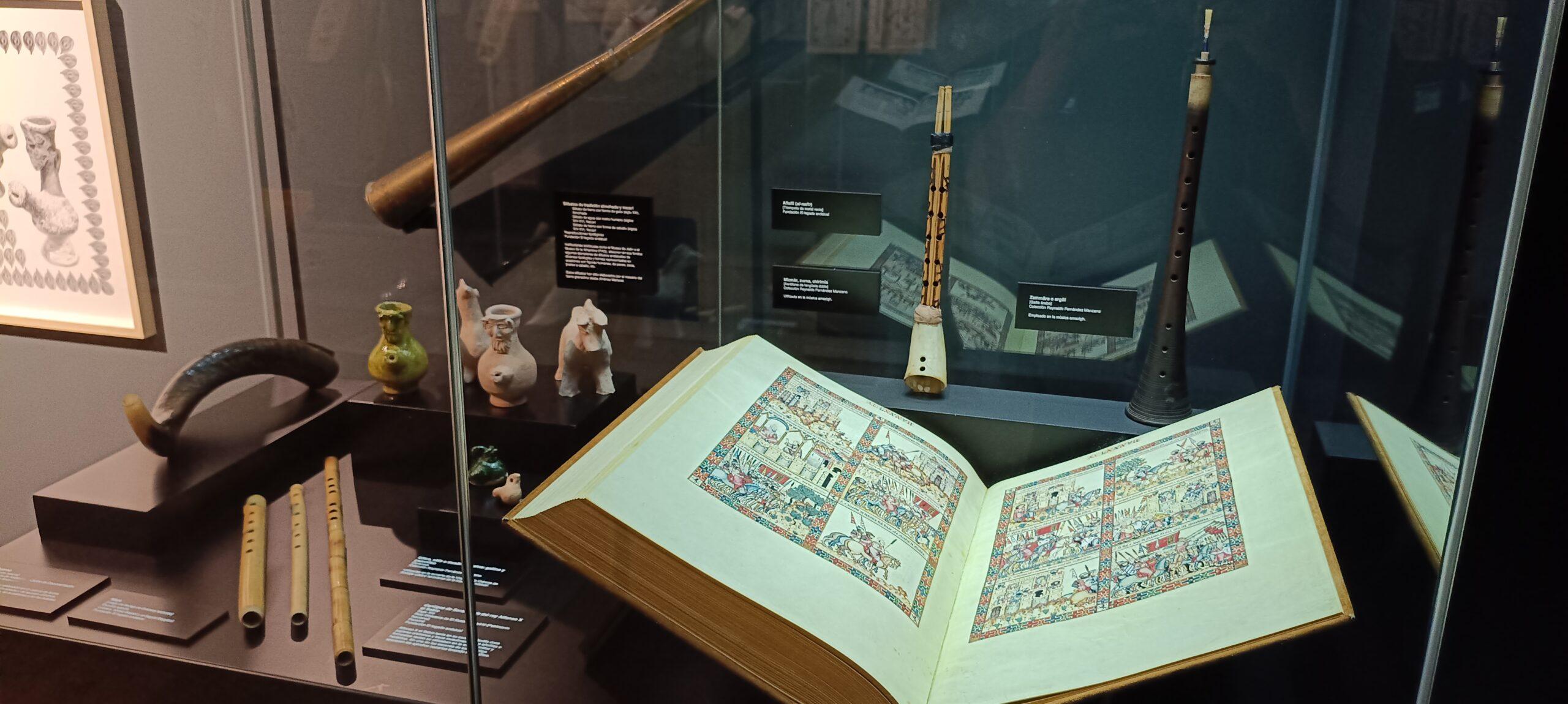
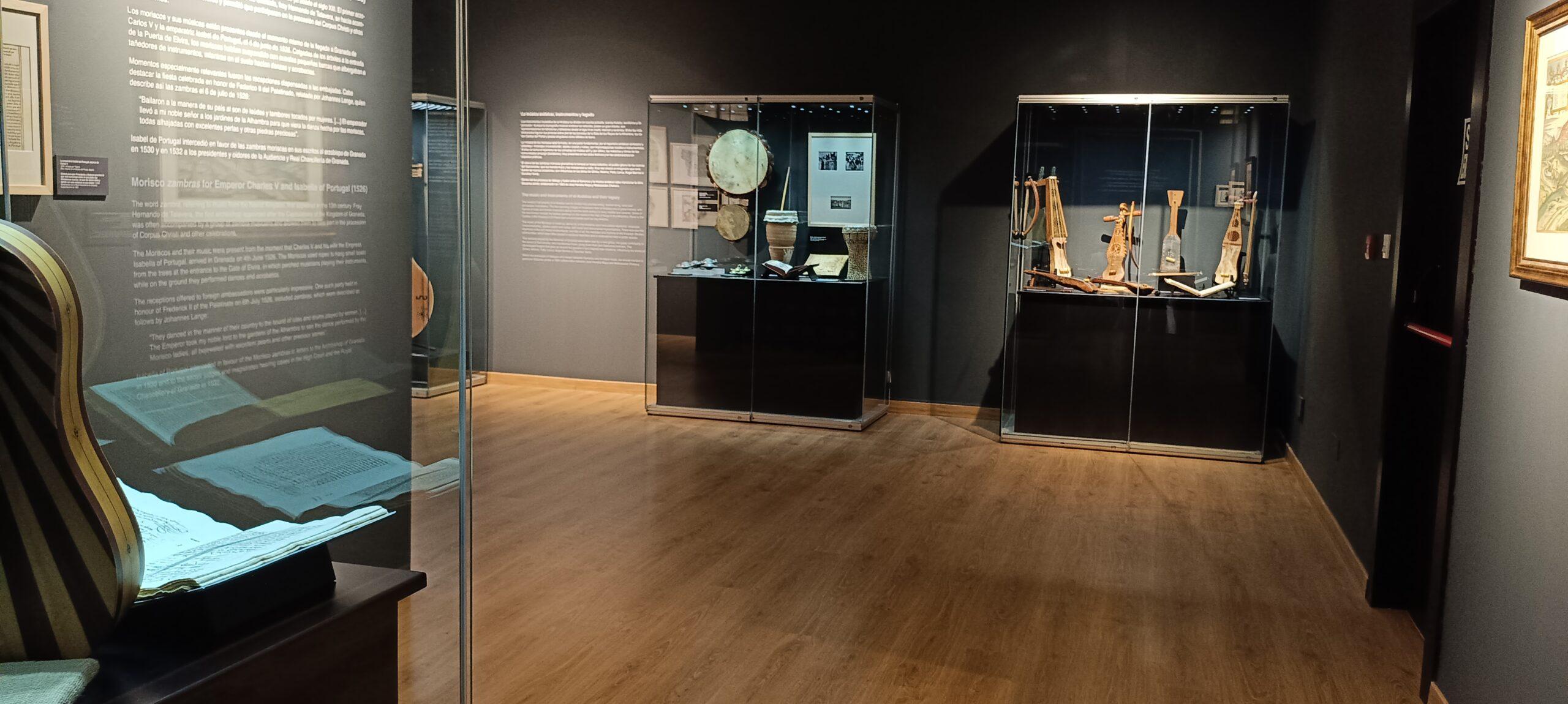
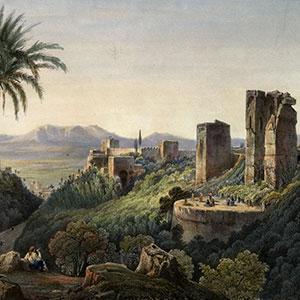
In 1526, Granada became the setting for an extraordinary encounter between the imperial court of Emperor Charles V and the cultural traditions of the Moriscos. To commemorate the 5th centennial of this historic visit, the Granada International Festival of Music and Dance, the Library of Andalusia – Music Documentation Centre and the Andalusian Public Foundation El legado andalusí present an exhibition that revisits one of the most remarkable episodes in the city’s musical history: the Moorish zambras performed in honour of Emperor Charles V and Empress Isabella of Portugal, together with the musical instruments that accompanied these celebrations.
Coordinated by the El legado andalusí Foundation and curated by the renowned musicologist Reynaldo Fernández Manzano, the exhibition invites visitors to explore the rich soundscape of al-Andalus and the enduring legacy of its musical traditions.
The exhibition traces the history of the zambra, a festive musical expression documented since the 13th century and closely associated with the Nasrid Kingdom of Granada. Following the Christian conquest of the city, this tradition continued to flourish and even became part of certain religious celebrations promoted by Fray Hernando de Talavera, the first Archbishop of Granada.
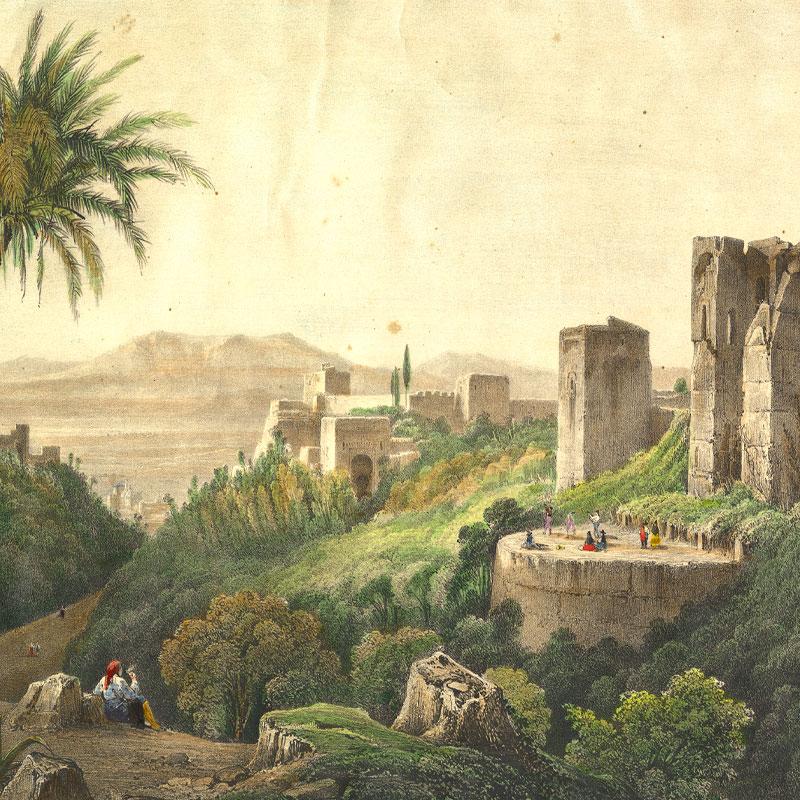
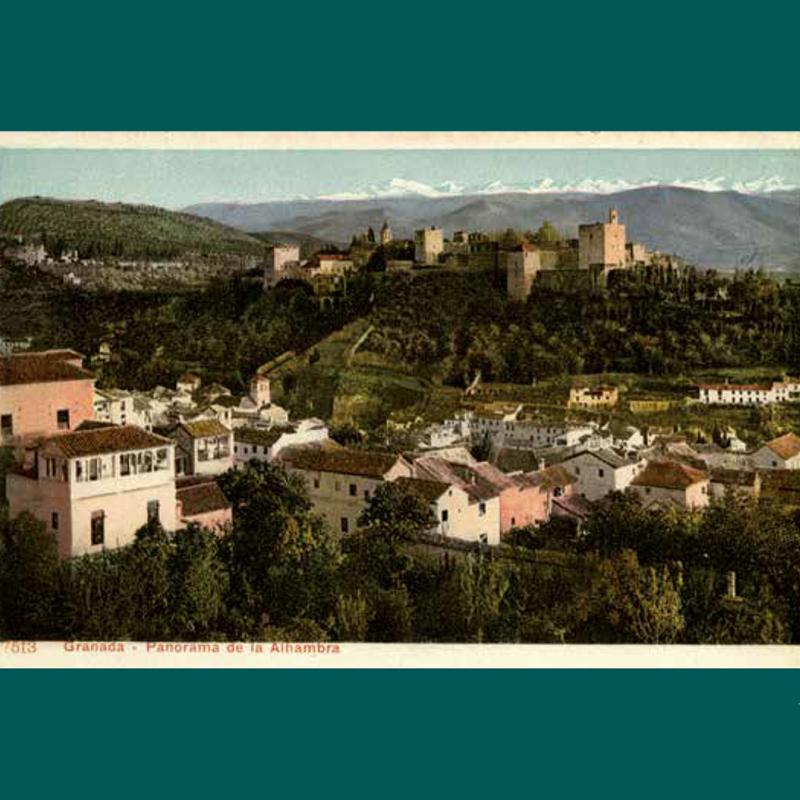
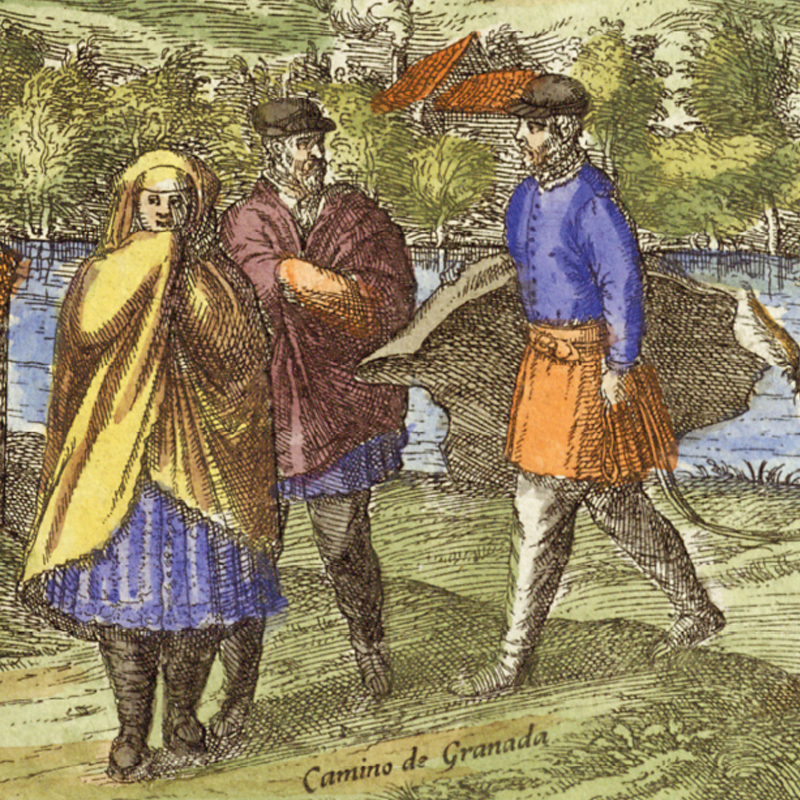
A central moment of the exhibition focuses on June 1526, when the arrival of Charles V and Isabella of Portugal transformed Granada into the setting for royal receptions, festivities and diplomatic ceremonies. During these celebrations, the Moorish zambras occupied a prominent place, revealing the artistic richness and cultural vitality of a society undergoing profound transformation.
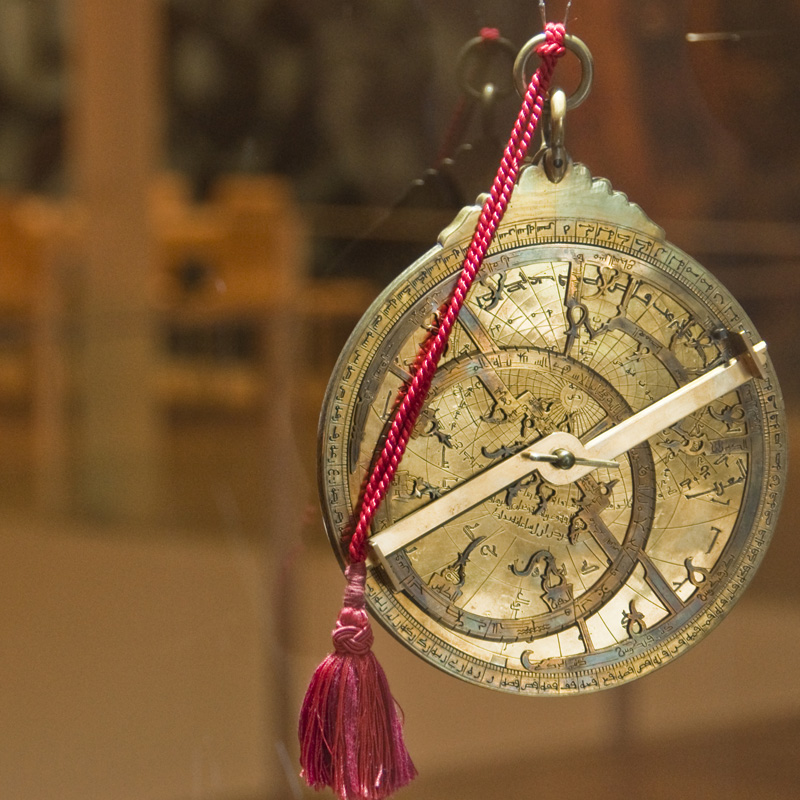
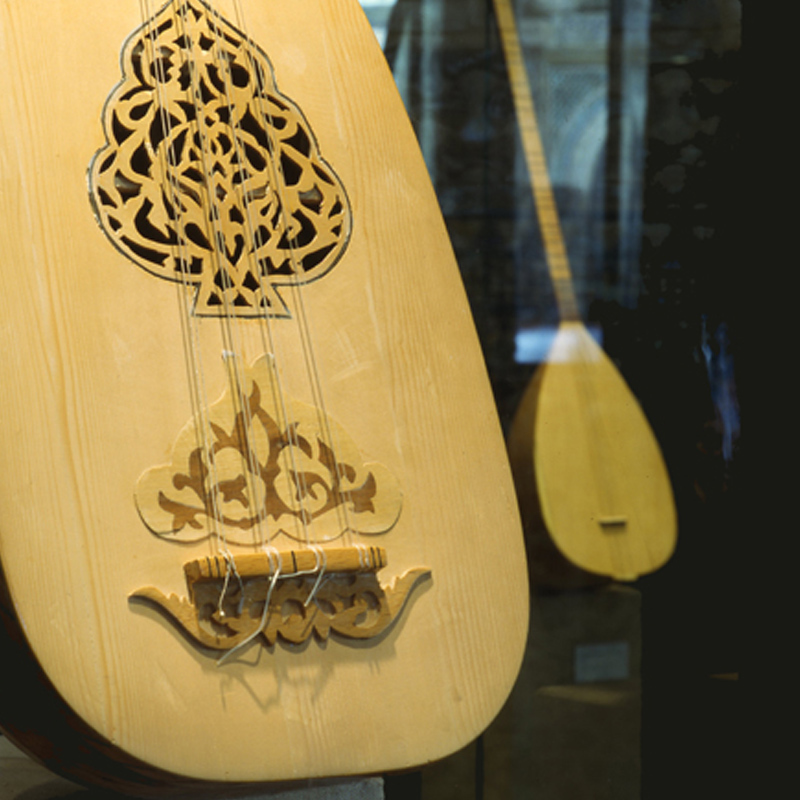
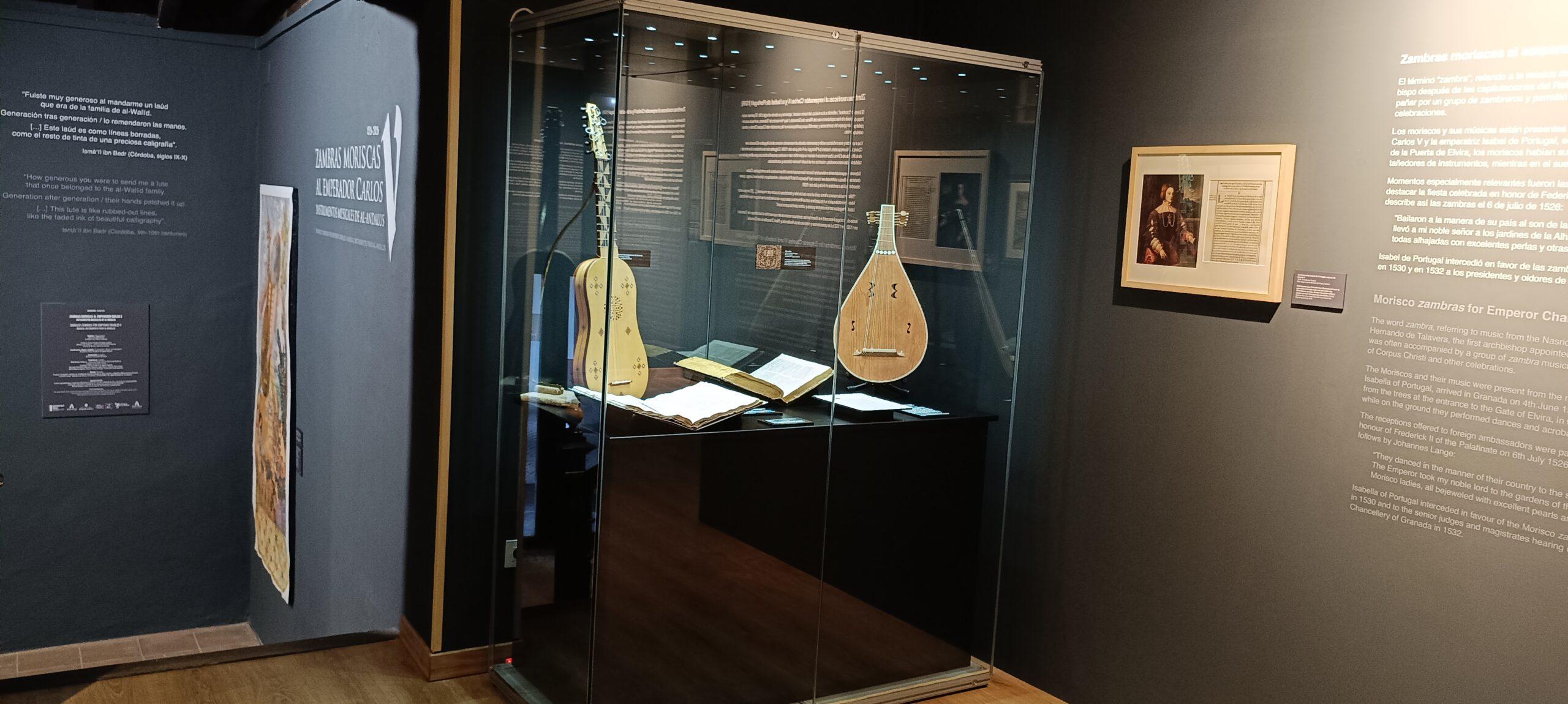
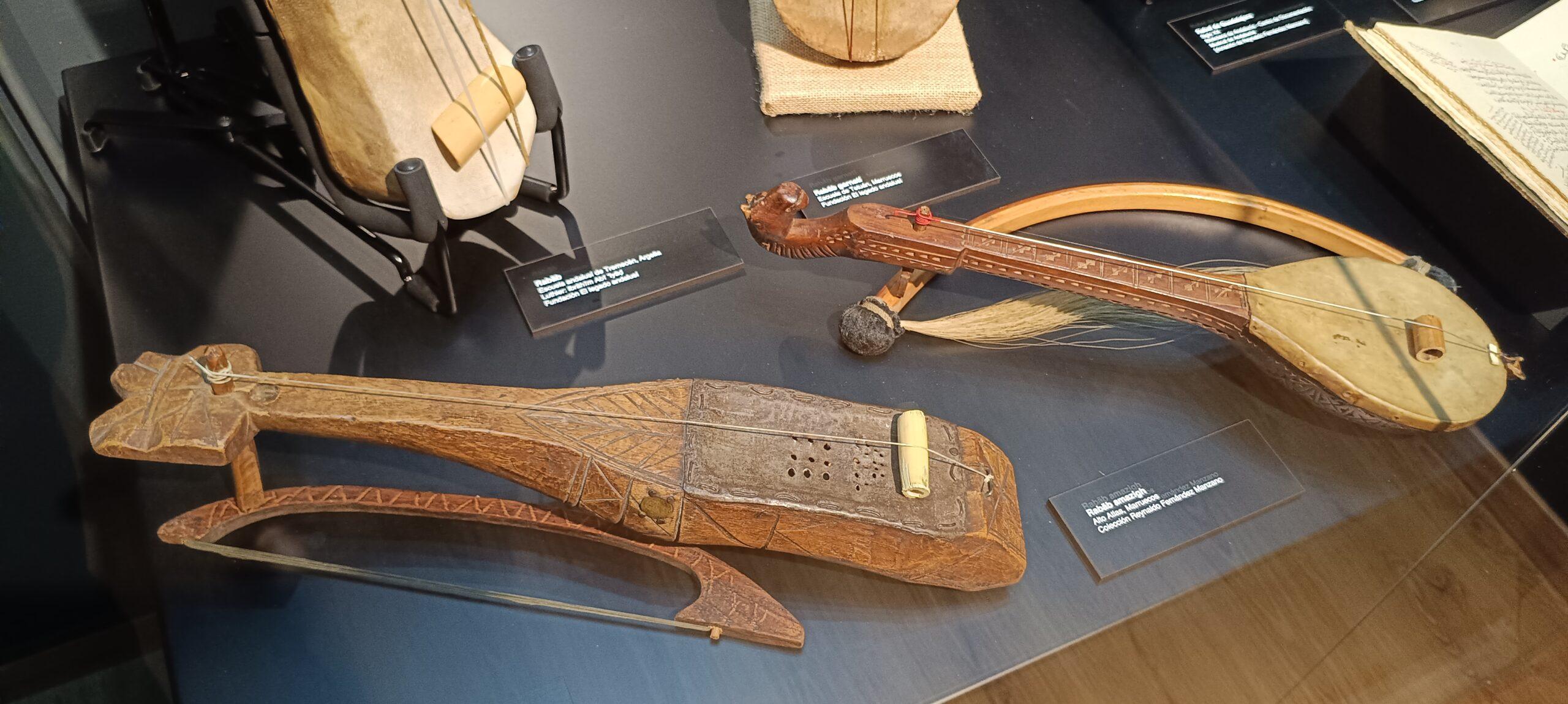
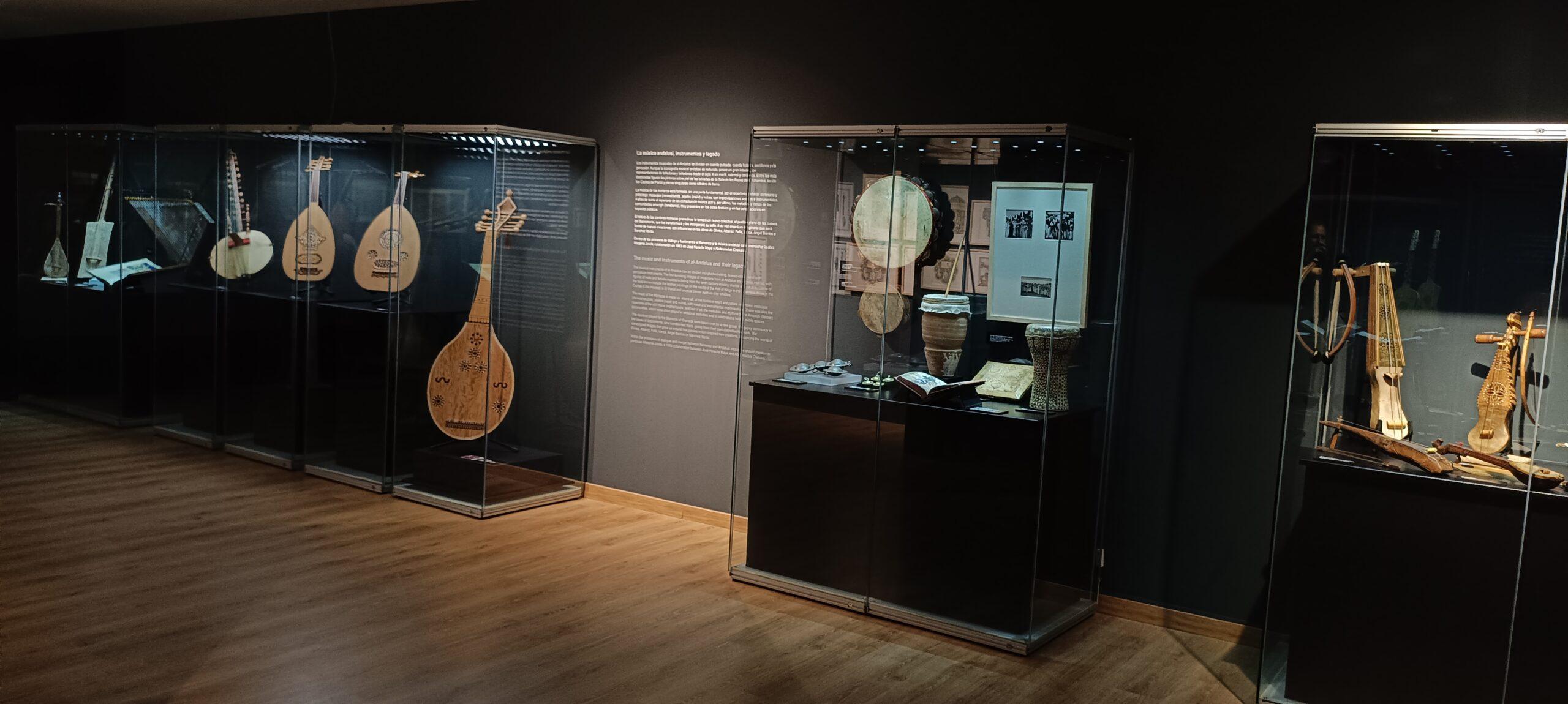
One of the exhibition’s highlights is its collection of musical instruments from the Andalusi tradition, drawn from the collections of the Music Documentation Centre of Andalusia and El legado andalusí Foundation and the private collection of the curator. Together, these instruments reveal the remarkable diversity of sounds that shaped the musical landscape of al-Andalus and 16th-century Granada.
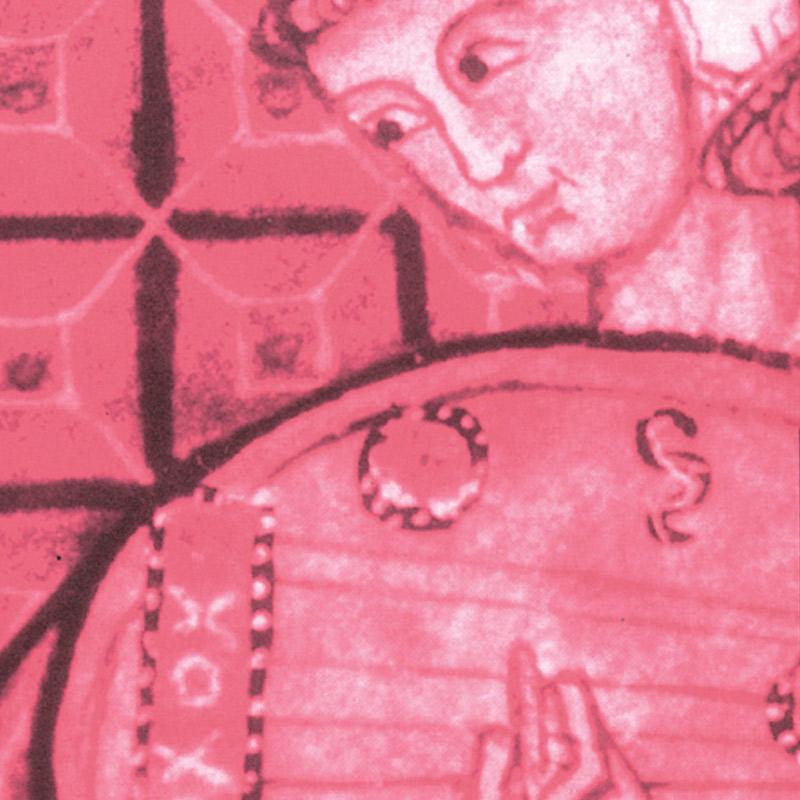
Particularly noteworthy are the reconstructions of medieval instruments crafted by distinguished luthiers, including Carlos Paniagua, based on iconographic representations dating from the 10th to the 13th centuries. These meticulously recreated instruments offer a unique insight into the sound world of one of the most influential periods in the history of the music of the Iberian Peninsula.
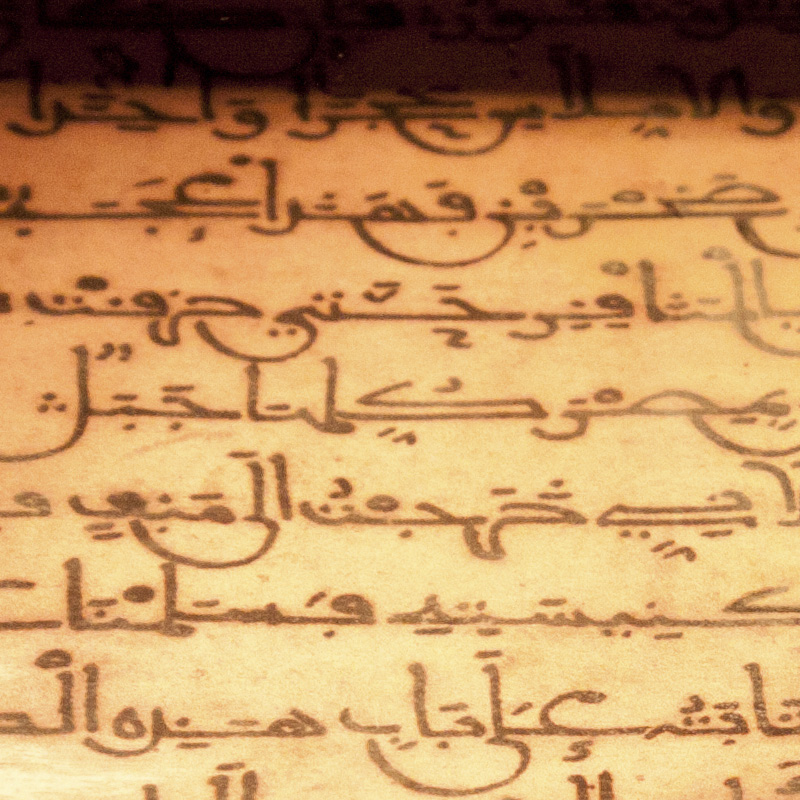
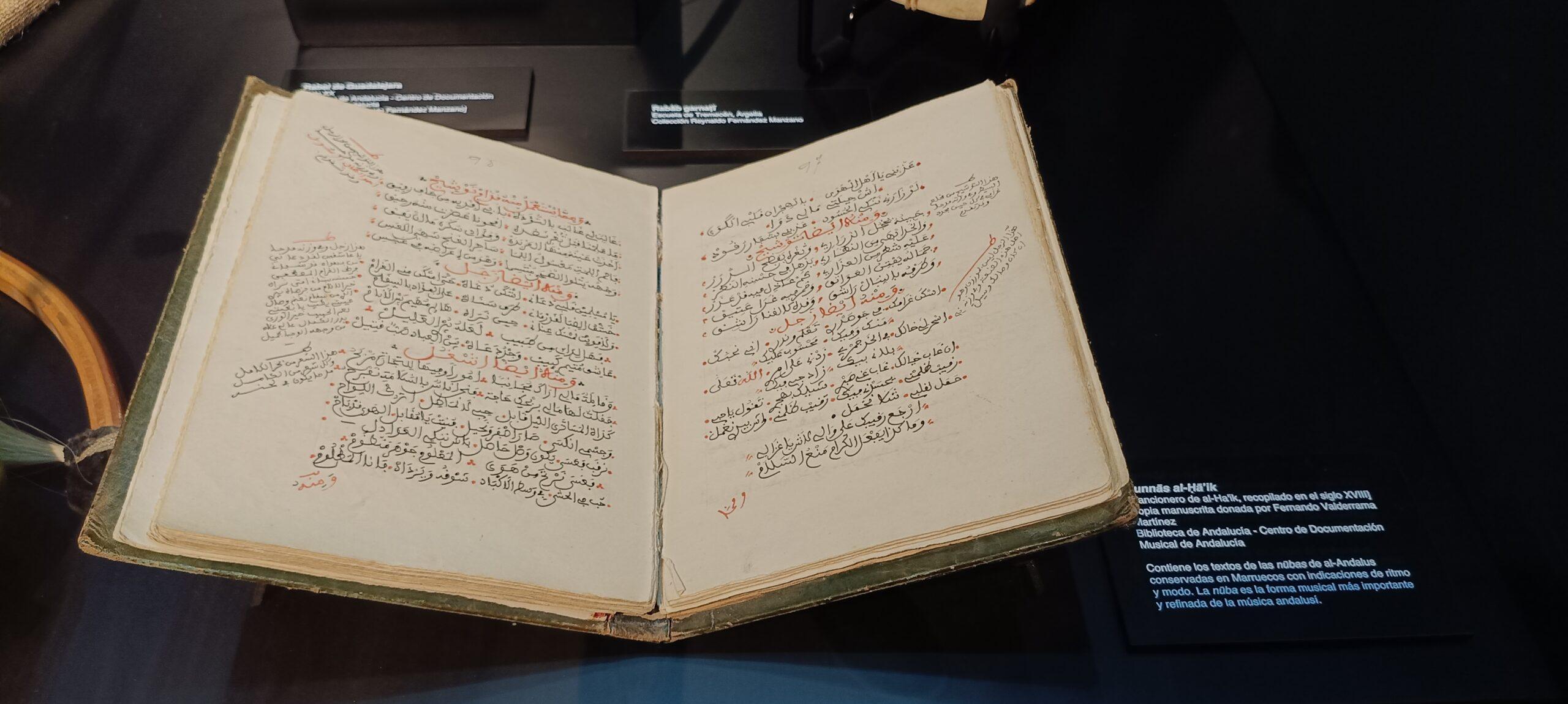
The exhibition also brings together a selection of historical documents of exceptional importance. Among them is the Royal Decree issued by Empress Isabella of Portugal in 1530, preserved in Granada Cathedral, in which she intervened in support of the Moorish zambras. Visitors will also have the opportunity to see the Cancionero de al-Haik, an 18th-century manuscript preserving the texts of the Andalusi nūbas, regarded as one of the finest expressions of the musical heritage of al-Andalus.
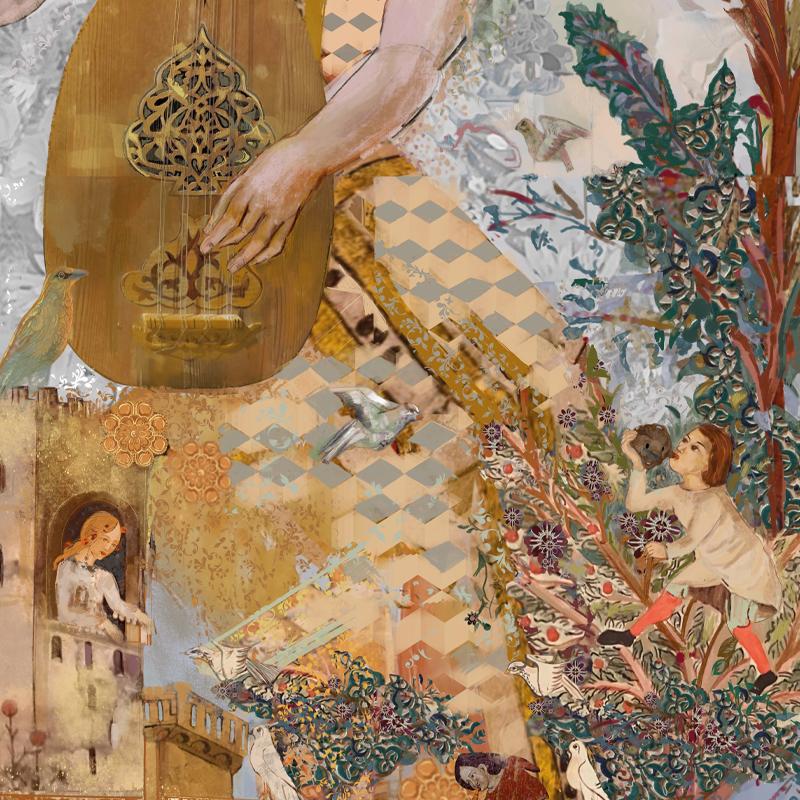
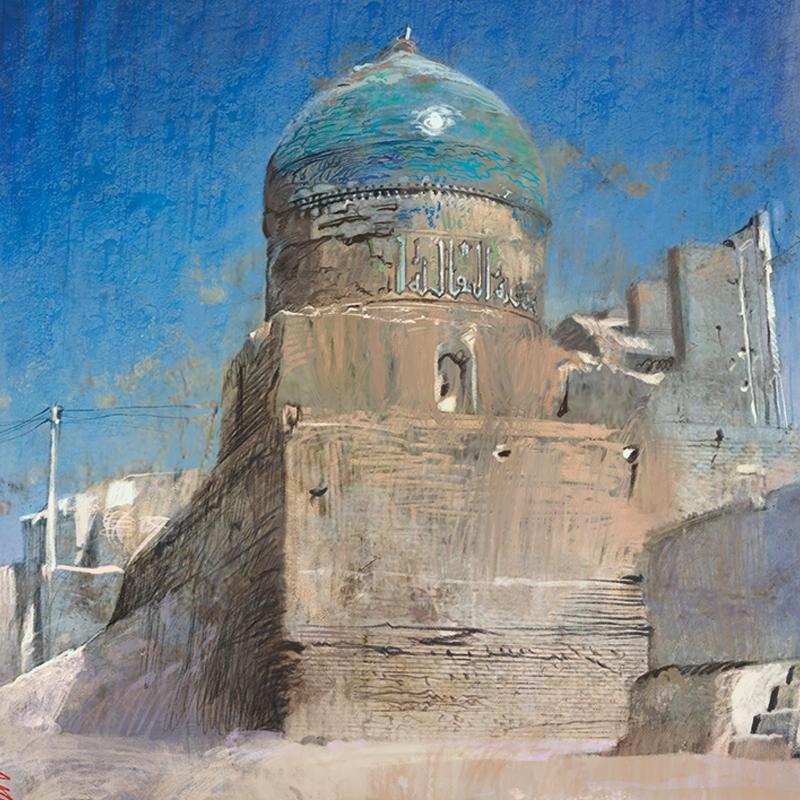
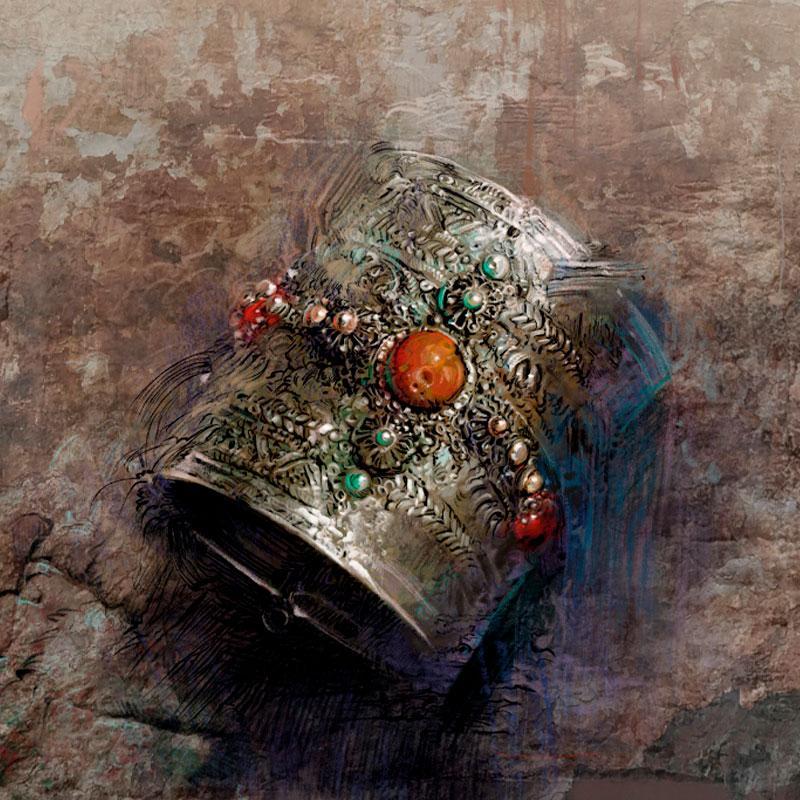
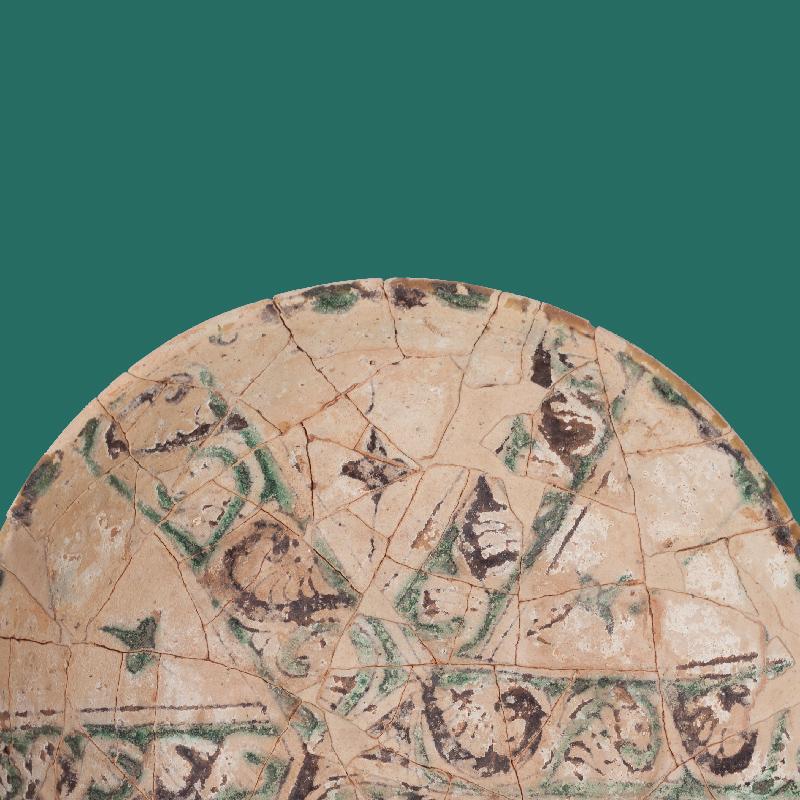
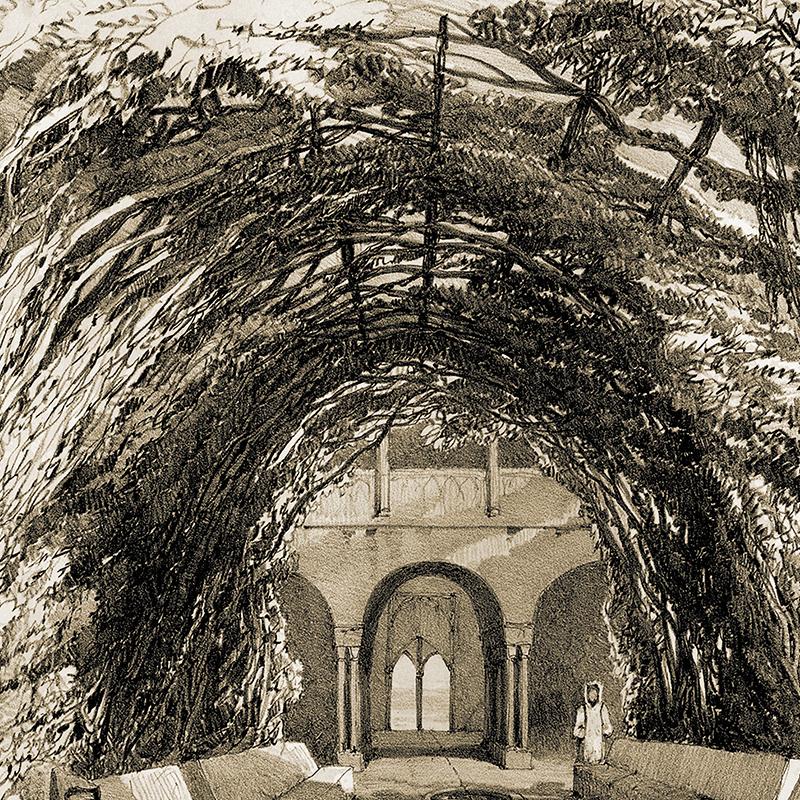
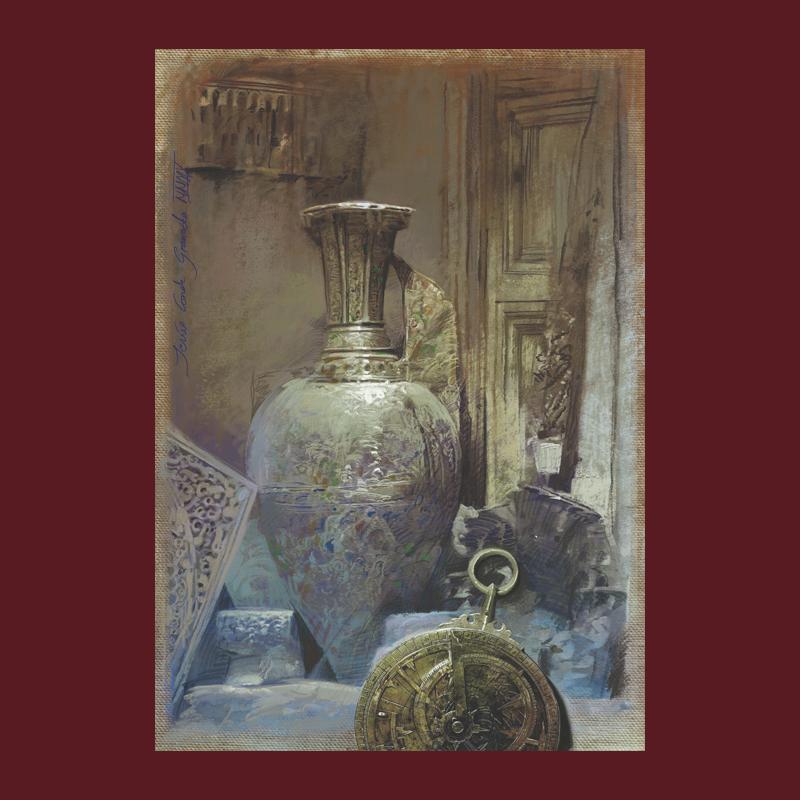
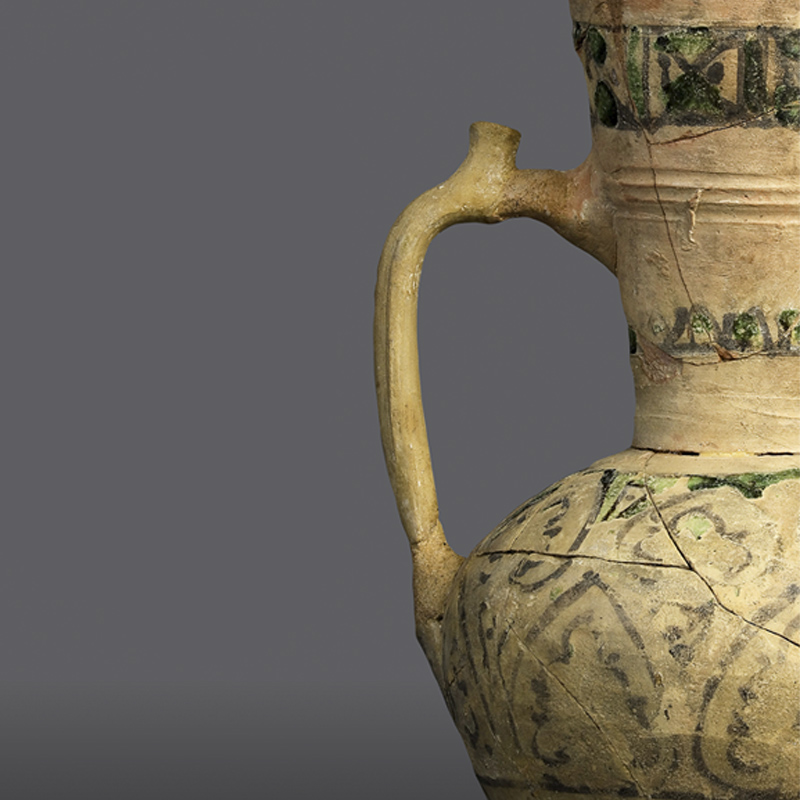
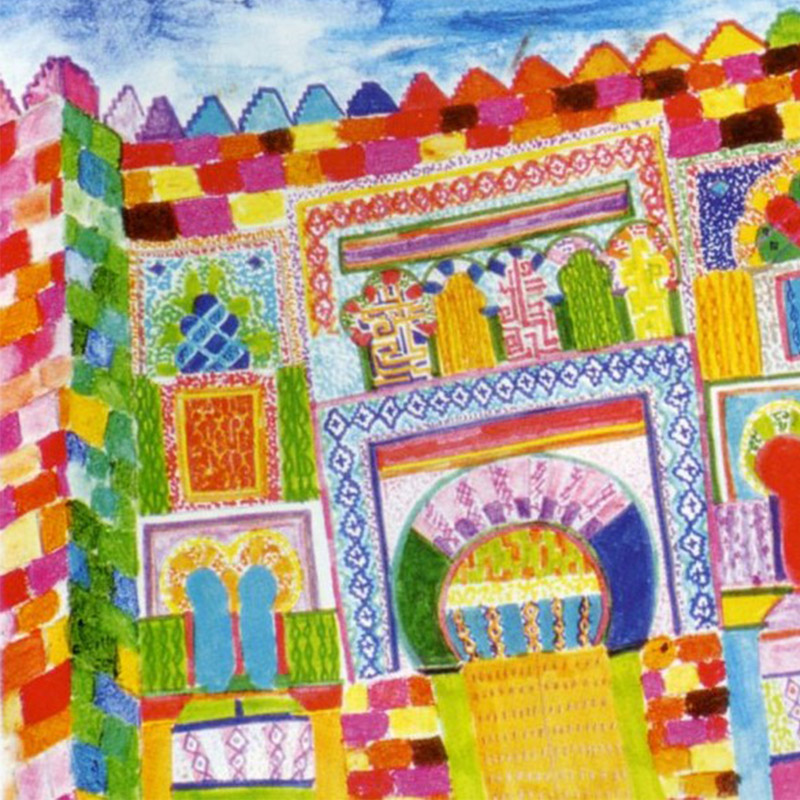
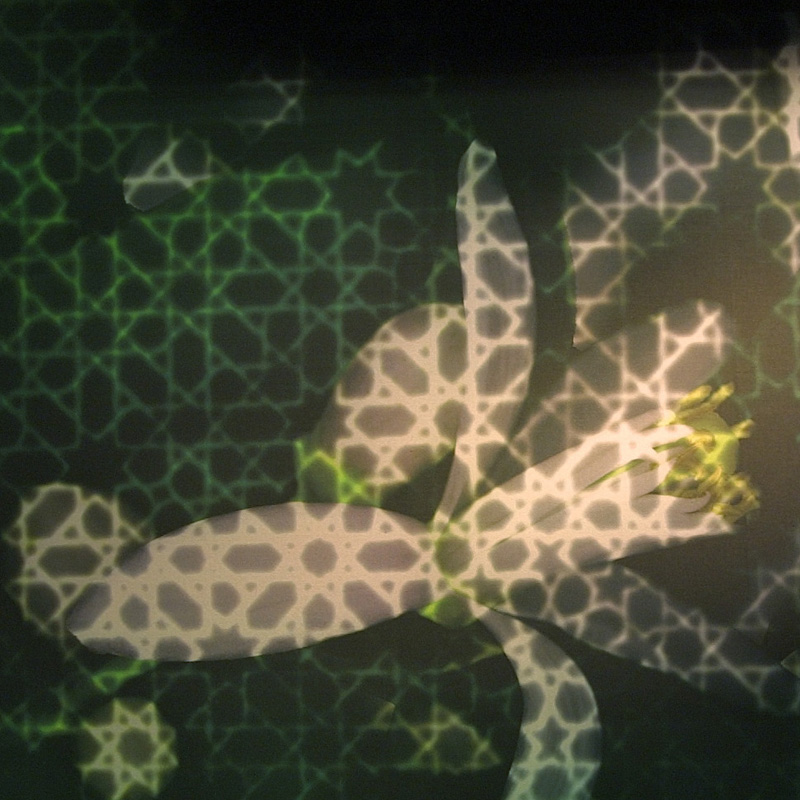
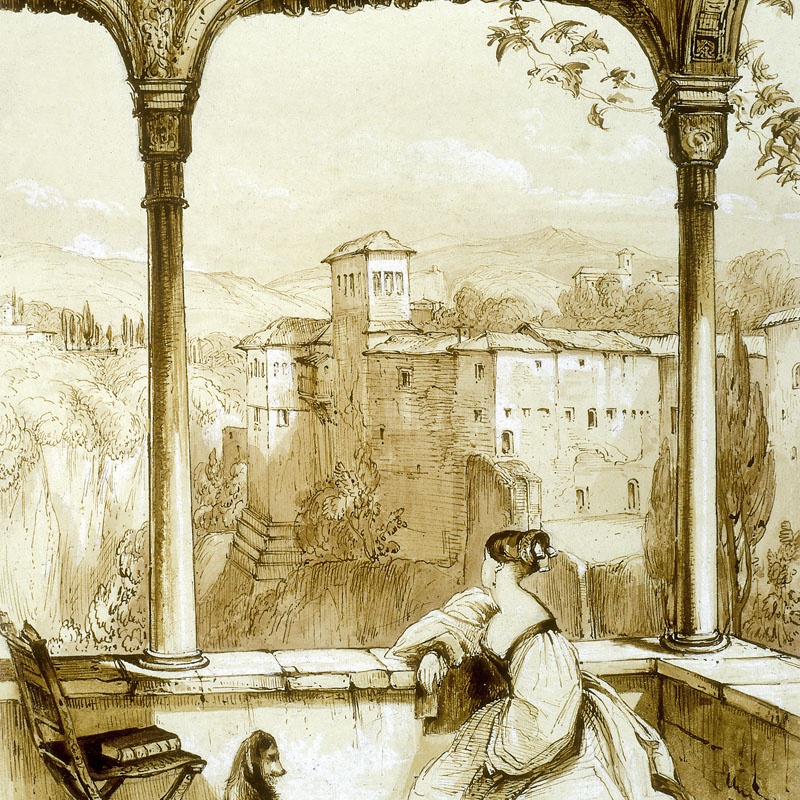
The exhibition is complemented by illustrations created by Asunción Jódar, Ricardo Marín and Silvia Segarra for the Artografía project, funded by the Spanish Ministry of Science, Innovation and Universities, as well as reproductions of Andalusi ceramic whistles made by Granada master potter Jiménez Mariscal, inspired by original pieces preserved in museums across Andalusia.
An exhibition that invites visitors to listen to history through its instruments, its documentary heritage and the living memory of one of the most fascinating musical traditions of the Andalusi legacy.