


The travels to the East made by Muslims from the Mediterranean area, usually performed on the occasion of the pilgrimage to Mecca, −the Hajj − gave rise to the birth of the Arab literary genre, the rihla. This reached its peak in the 11th century in the Muslim West, with the travelogues of such notable figures as Ibn Ybair, Ibn Battuta and Abu Hamid al-Garnati. Centuries later, Omar Patun, a traveller whose identity remains unknown, left us a fascinating account of his journey, which provided important information for those in Al-Andalus who intended to undertake the Hajj, whilst also describing the holy sites of veneration and worship for both Muslims and Christians.
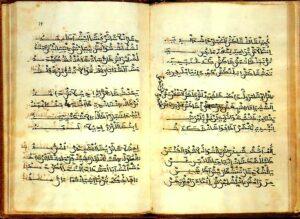
Originally from Avila, Omar Patun was a Mudejar whose account of his pilgrimage to Mecca appeared in an unsuspected way in the year 1988. Hidden between the walls of a property that had belonged to a Muslim faqih (expert in jurisprudence) in the city of Calanda (Teruel), some manuscripts were found, probably concealed by him due to the imminent mass expulsion of Moriscos in 1603. The manuscripts, written in the first person in aljamiado (Spanish in Arabic script), were found in a very poor condition, despite having been carefully wrapped in a gunnysack. Only two of them were dated, one from the 1 to 10 July 1481, and other 6 September 1485. Deteriorated due to time, humidity and inadequate conservation before their discovery, the first lines in most part of the pages had disappeared, and while in some cases just some fragments could be deciphered, others were totally illegible.
As its calligraphy reveals, it seems that the copyist who took part in the writing was not a professional.
According to Casassas Canals[1], to whom we owe such a precious contribution, it was a first copy made in all haste, which was elaborated departing from a manuscript that might have existed previously.
|
The Poem of Yusuf, a 14th-century aljamiado manuscript. The aljamia is a writing with Arabic characters of a non-Arabic language (generally European languages), which was very common among Al-Andalus’s Moriscos and the Mudejars who remained in the Iberian Peninsula after the conquest by the Catholic Monarchs. Aljamiado texts were normally inserted into Romance texts included in Arab writings. The best example is the jarcha, the poetic composition closing the poems written in classical Arabic named muwashshah. According to many sources, they derive from the primitive traditional songs, like the villancicos (carols) or the Cantigas de Amigo[2]. The Jarchas, or “Arab ditties” were written by both Arab or Hebrew authors, in Mozarabic dialect or in colloquial Hispano-Arabic.
|
The particularity of the travel account to Mecca by Ibn Patun lies, among other things, in the fact of it being a unique narrative by a Mudejar from the 15th century, in an aljamiado text, which was very common in the region from where comes our subject: Aragon and Castile. It entails also valuable material related to Castilian Muslims of the time, their religious practices, often placed in doubt, as well as other aspects of daily life. The exact date of Omar Patun’s journey was between 1491 and 1495.
The intention of the account appears to be to offer information to other travellers about the trip to Mecca: it describes stages that comprise the itinerary, adding a multitude of notes of practical details in the style of a logbook, like the expenses and all the transactions required to use the diverse means of transport during the journey. In the same way, he exactly illustrates the stops, places and cities he visited in his journey toward Mecca. The vicissitudes and tremendous difficulties that were involved in travelling in those times constitutes an important part of the account.
Patun’s account provided important information for those people of Al-Andalus intending to undertake the Hajj, describing in equal measure the holy sites, places of veneration and places of worship for both Muslims and Christians.
Omar Patun was accompanied by another Hispano-Muslim named Muhammad Corral, who is also featured in the story.
“I left my home −with the power of God, so powerful and great− with my companion Muhammad Corral, towards the Kingdom of Catalonia. We reached a river, and from here we arrived at the city of Tortosa”.
Our travellers reached Valencia once they left the delta of the river Ebro, an important stopover and the departing point of the maritime routes travelling the Mediterranean Sea to the East. From here they continued travelling to Tunisia, where for unknown reasons, they had to remain a whole year. After managing to embark again on a Genoese boat bound for Beirut, they still had to wait some days off the shores of Sicily until the wind was favourable. After setting course for the Greek islands, the great part of the crew contracted an epidemic, which affected his Patun’s fellow pilgrim to the extent that it was feared he might not survive.
To deal with this situation, the captain of the ship −whose almost entire crew, among them one of the main guides who knew the Levant well, had been lost during the epidemic– mandated to extend the wait by one more week, before continuing toward an Aegean port. Here, authorities did not allow them to disembark after knowing about the epidemic they suffered. They finally managed to disembark in a small Turkish town, Çeşme, where the population reacted in a desperate way before the fear of being infected by those who landed. Many people found death in this port:
“Here died more than fifty people of those who landed. Here, the mufti of Granada and the governor of Guadix found death.”
Once they were able to embark again, they found not a few difficulties before they reached Bursa and Constantinople, of which he wrote:
“This city is one of the richest in Turkey. The main streets of the merchants are covered with vaults with their lanterns and roofs of lead above them, as most of the streets. Especially the mosques in all of Turkey are very rich. We remained here eight months waiting to get pack animals to Damascus, for there was not a safe road through, given that we had to cross the lands of the Great Empire of Tartary crowded with thieves.”
This is an important fact, for it reveals the valuable information he provided to his Andalusi fellow-countrymen who, after the Christian conquest in the 15th century, were ready to make the pilgrimage to Mecca. For besides the practical data and information on the journey’s dangers and risks, it also provided valuable remarks about geographical descriptions and the holy places they visited, places of worship or of cult −as much for Muslims as well as Christians− , such as the one related to their visit to Alexandria, were they landed after leaving Turkey:
“[…] We were shown a big visitation that Christians make in the street where Saint Mark was executed. We saw the columns that supported the wheel where Saint Catherine was martyred, and the jail where the Persian Emperor had her imprisoned.”
This is the region in whose territories stand the major milestones of holy history for Muslims, Jews and Christians, where they could enjoy privileged visits like the tomb of Prophet David by the banks of the Euphrates, or the mausoleum of Sidi Sa’ad Al-Ansari, one of Muhammad’s companions. Upon his arrival to Damascus, one can well imagine the wonderment at the city of a man who had hardly left his small environment, when he was gazing upon the magnificence of the Umayyad Mosque. He wrote:
“How right was the one who called it heaven on earth. This city is bigger than Alep and richer in fruits and all over the city are spouts of sweet water. In the middle of it there is a very rich and large mosque […]. We had never seen such a rich mosque as that of Damascus, whose name is Bani Umayyad. […]. It has three towers […].”
He writes that there are two of the most essential manuscripts for Islam, two pages of the Koran signed and written by the hand of the very Caliph Uthman, one of the first caliphs in Islam, and Muhammad’s companion.
They spent a long season in Damascus, which allowed them to visit various places of worship for the three religions of the Book. They stayed with other countrymen from al-Andalus and he Maghreb, who took the opportunity to also visit during the journey those historic or legendary places that greatly draw their attention: we are refering to the cave where Abraham grew up:
“We went accompanied by ten Andalusians to the hill named Salihya to visit the cave where Abraham —may peace be upon him— was taken by his mother to be raised, after escaping from king Nimrod, who ordered killing all the males”. He also refers to “the cave where the first blood in the world was spilled, as Cain killed Abel […] and from here we headed towards the place where he buried him.”
The journey from Damascus went on to Jerusalem, and by sea after Sinai. There, they visited the holy places of Islam and Christianity with an equal devotion: the Jordan River, following the steps of Saint John the Baptist or the Mount of Olives:
“[…] We went up to the Monte Oliveto to visit the alquba from where Maria’s son, Jesus, was lifted up to heaven”, leaving the mark of his right foot on a stone at the same mount. Not far from this alquba, lady Al-Rabi’a, Abraham ‘s daughter, is buried […]. We went to the other part of the city to visit the temple of King David —may peace be upon him— located under the church of Mount Zion. There we found four monks, one from Spain, from the Kingdom of Catalonia, from whom we understood the language very well. They opened to us the church, which is small as a hermitage, whose door was cast iron. We got inside and we were shown the place where Jesus washed the Apostles’ feet, to the right of the main altar. They taught us how he ate with them, we were also taken to the house of Annas and Caiaphas, which are close to each other, and we could see the chamber and place where −according to them− Jesus was whipped. They told us by showing us the stone on which Maria was sitting when she saw his son being taken away, and vanished when she saw him being arrested. They showed to us the house were Maria lived for thirteen years until she died […].. Another day we went to Galilee, across the Mount of Olives, where it is said that Jesus met with his apostles [… ]. In the heart of the city stands the Main Church, a monument which hosts her sepulcher. The doors were locked and the locks bore his seals. Friars were inside; after knocking they opened and got out. We met a Castillian friar who was from the town of Arévalo, named Agustín de San Francisco son of García de la Cárcel. He led us to the place where Jesus was crucified and the chapel where, according to them, he was buried. This friar provided us with letters that upon being shown in Christian lands would allow us to safely cross to Castille.”
The journey extended to Cairo, where he stayed for seven months. This long stay offered them the opportunity of visiting a place of paramount importance for both Muslims and Christians: The Garden of Matareya, where according to a tradition that spilled out the Biblical times, Jesus and Mary found shelter here as they escaped Egypt, being hosted in a sycamore tree whose trunk opened to hide them inside it.
Seven months later, he abandoned Cairo to join the caravan heading towards Mecca. In the crossing through the Sinai, they passed by its mount, Al-Tawir, from where “Moses spoke”, visiting Saint Catherine’s monastery “where forty friars inhabited”.
They undertook a severe trek from the port of Sinai through a dangerous maritime route along the Aegean Sea. They reached Jeddah, where they stayed four days. The city made a deep impression on the visitors by the dynamism of its port where boats arrived from the Orient with expensive loads. From his stop-over it is referred the visit to the mausoleum of “[…] Our mother Eve, the wife of Adam −may peace be upon him− […] “.
The main aim of the journey, the pilgrimage to Mecca, constitutes the most important part of his account. It includes substantial data on religious sites, rites, and detailed descriptions like the one of the exterior and interior of the Kaaba.
“[…] Inside, the Kaaba is covered with red and white silk, and the ceiling has as it seemed to me jewels gold bunches; yet, I sinned by looking at it, since the Malik school does not allow to do it, while others do. These jewels are sent there by the great kings.”
Omar Patun had in mind to return by sea, considering the difficulties that entailed the crossing of the desert and the many ups and downs he might have to face. This meant having to wait until boats were available to boarding, and after a year delay, they got to be taken on board a Venetian galley for Alexandria, where they had to deal with custom problems.
“The Venetians were embarrased by the customs lords, who reluctantly kept us seized there for five days, and after this annoyance, he ordered to the galleys’ captain to warn the skippers, by hawking with trumpets, not to allow any Moor on board under penalty of many ducats. We were taken out of the galleys and left us stranded”.
In the account of his return, he narrates his passing by the Aegean Sea, the different stopovers throughout the Greek islands, among them the isle where the “Paris Troyan King lived”. The convulse activity that disturbed the Mediterranean at the time is depicted in the following passage when he writes about his crossing of the Gulf of Venice to Malta.
“From here we went to a Gulf in Venice that took us twelve days to cross; when we arrived at the Isle of Malta we wanted to take port. We were ready to drop anchors close to the city, when we saw two army vessels coming and we did not dock in the harbor fearing for them to be corsairs or belonging to the king of France army.”
They were finally caught by the later one: “We set sails and run away, and they followed us until they chased us. From dawn to ʽasr (evening prayer) they reached us, with their light boats and one of them hoisting sails showing us signs to wait for them, what we did, and we stopped. We paired more than two hundred and five sacks of cotton and also more than one hundred bombards and all armed and with crossbows and espingardas […]”.
There is no trace of our persona after returning to Avila, for the last pages of his rihla have not been found. Yet, there is evidence of a Mudejar named Omar Patun getting back to Avila, according to different informations. Among them, they are the Christian chronicles from the 15th century, the testimony of a faqih from Calanda who witnessed when Patun stepped the city upon his return from Mecca, as well as the Mancebo de Arévalo’s [3] account, who said to have read the manuscript on this journey.
Thanks to Omar Patun’s account of his journey to Mecca, the diverse holy places of the East were known for the people of different creeds of the time.
[1] University of Salzburg (Austria). Email: Xavier.Casassas@sbg.ac.at. This work was carried out as part of the R&D project ≪In the footsteps of Abu Ali al-Sadafi: tradition and devotion in al-Andalus and North Africa (11th–13th centuries AD)≫ ref. FFI2013-43172-P, funded by MINECO
[2]. Cantigas de Amigo, (Friends’ song). The Cantiga is a form of medieval poetry born in the northwest of the Iberian Peninsula, which later expanded throughout Spanish territory. They were composed to be sung, and they dealt with different topics and situations, hence their different names: Cantigas de Amor, (of Love) Cantigas Sacras (Sacred), among others.
[3] El Mancebo de Arevalo was a Morisco from the early 16th century, famous for being the author of the Tafsira, an Islamic manual commissioned in 1534 by the Moriscos of Zaragoza, who had been forced to convert to Christianity in 1526.
|
BIBLIOGRAPHY “La Rihla de Omar Patún: el viaje de peregrinación a la Meca de un musulmán de Ávila a finales del siglo XV (1491–1495) = Omar Patún’s Rihla : The Journey of the Pilgrimage to Mecca of a Muslim from Ávila at the End of the Fifteenth Century (1491–1495)”. en Espacio, Tiempo y Forma III. Historia Medieval , núm. 28 (2015), pp. 221-254. |

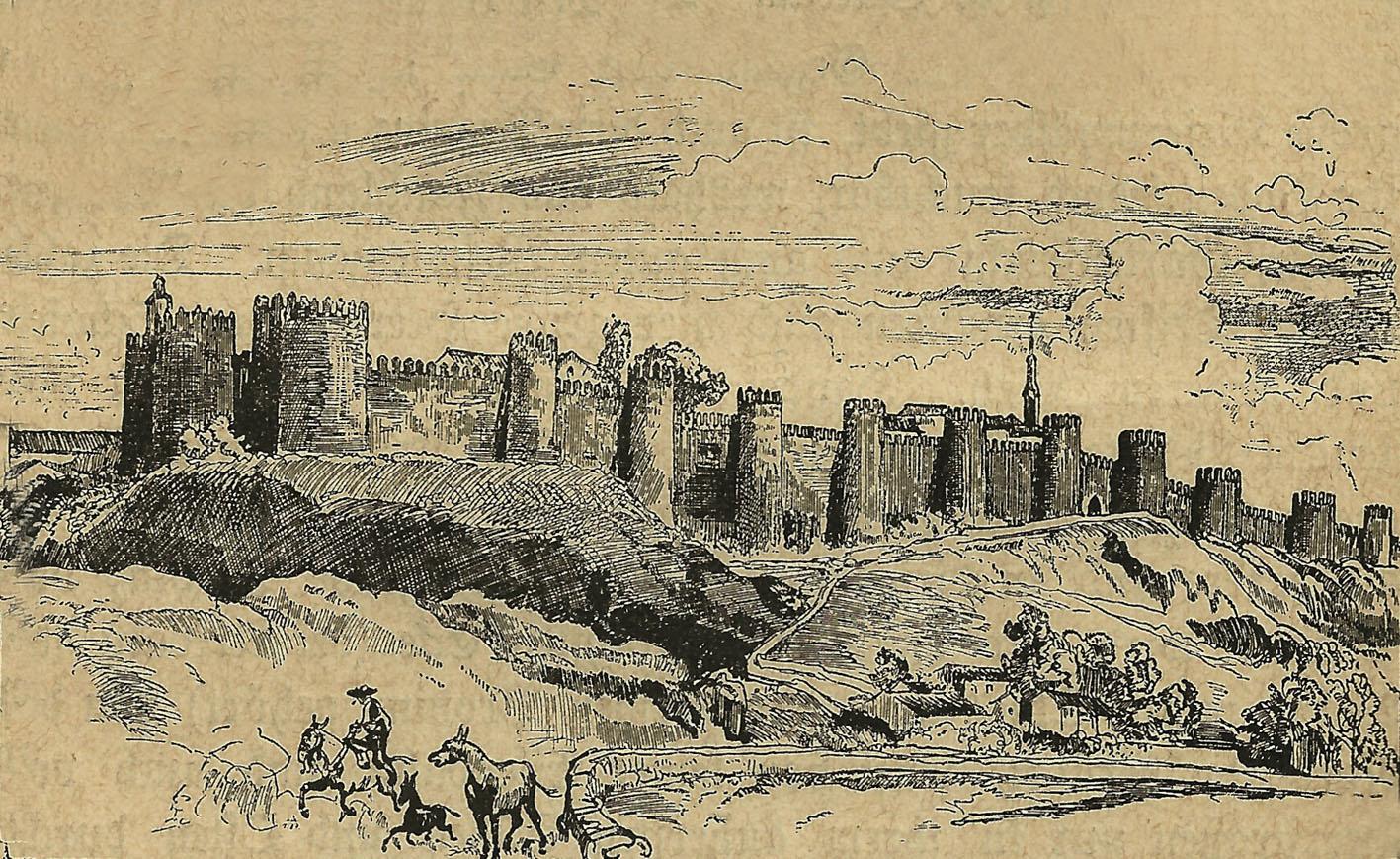
The walls of Avila.
Albert Robida. h. 1880. Xylography ©CC BY-NC-SA 2.0
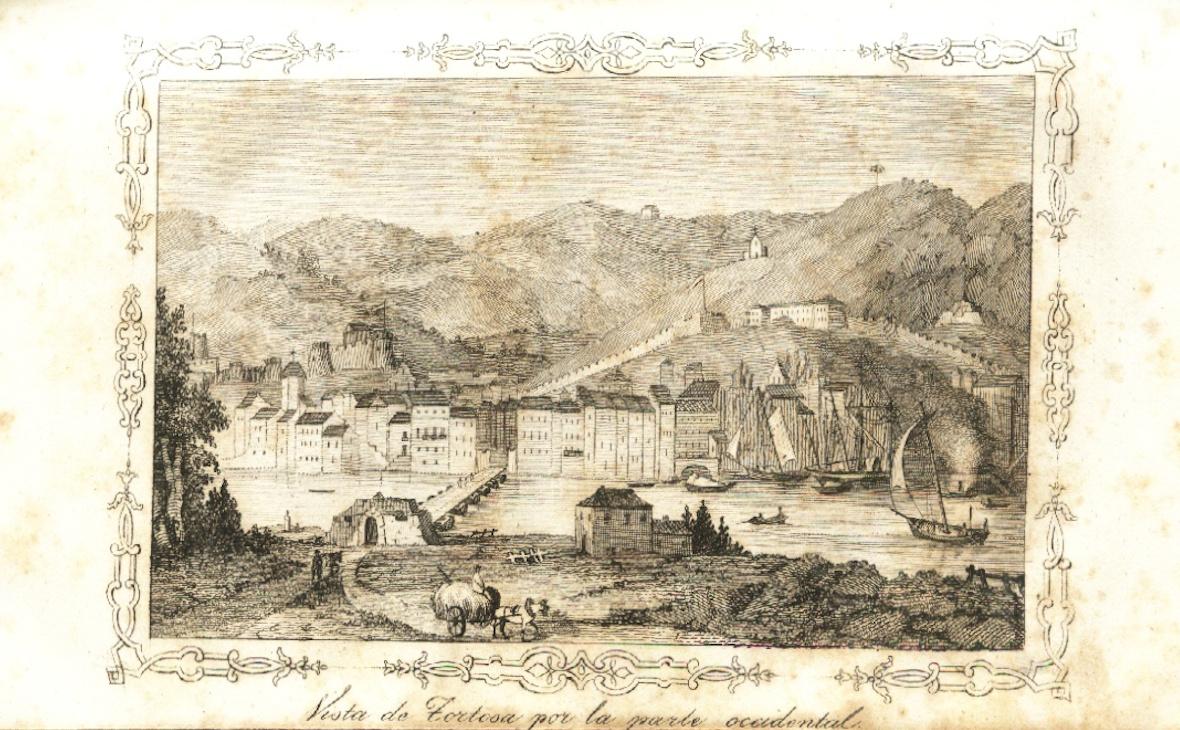
Print showing a view of Tortosa from the western part of the city.
View of Tortosa. Volume I, 1844. Buenaventura de Córdoba ©CC BY-SA 3.0
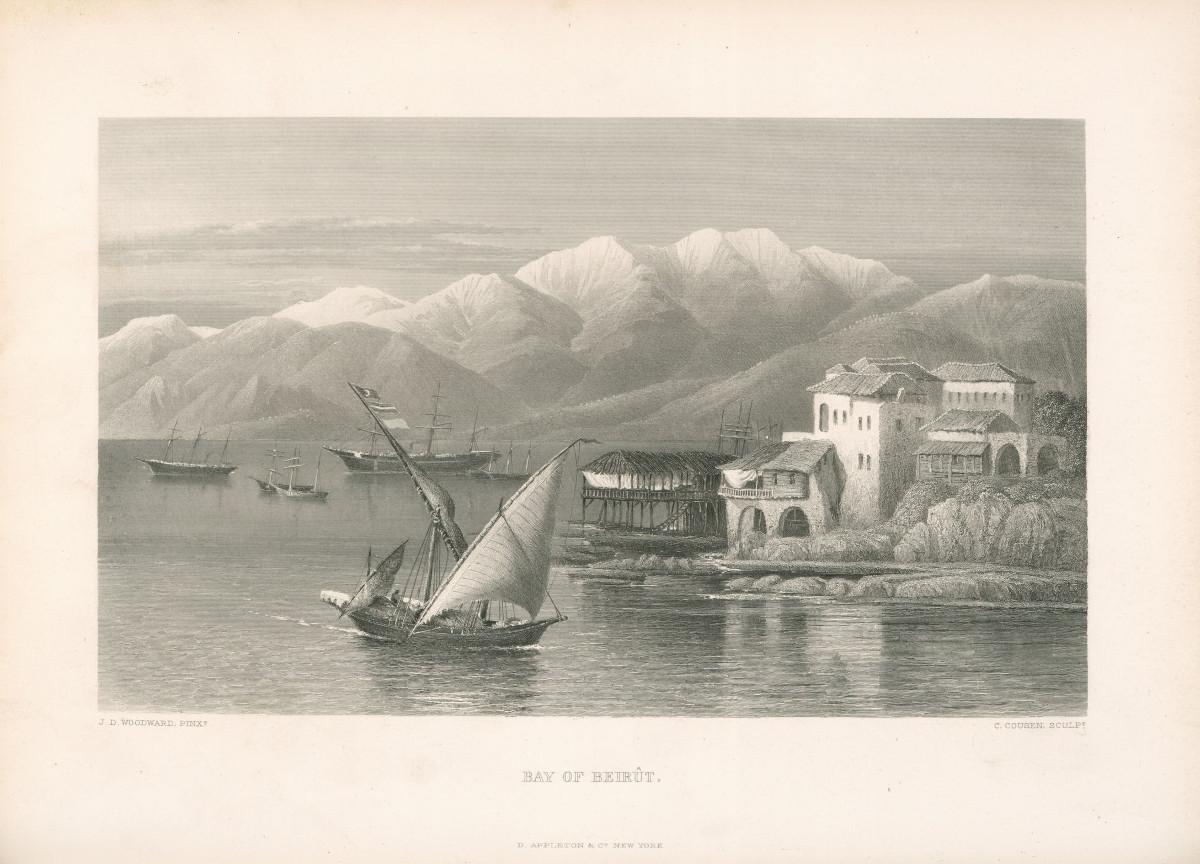
Bay of Beirut.
© Dorot Jewish Division, The New York Public Library. “Bay of Beirût” The New York Public Library Digital Collections. 1881-1884.
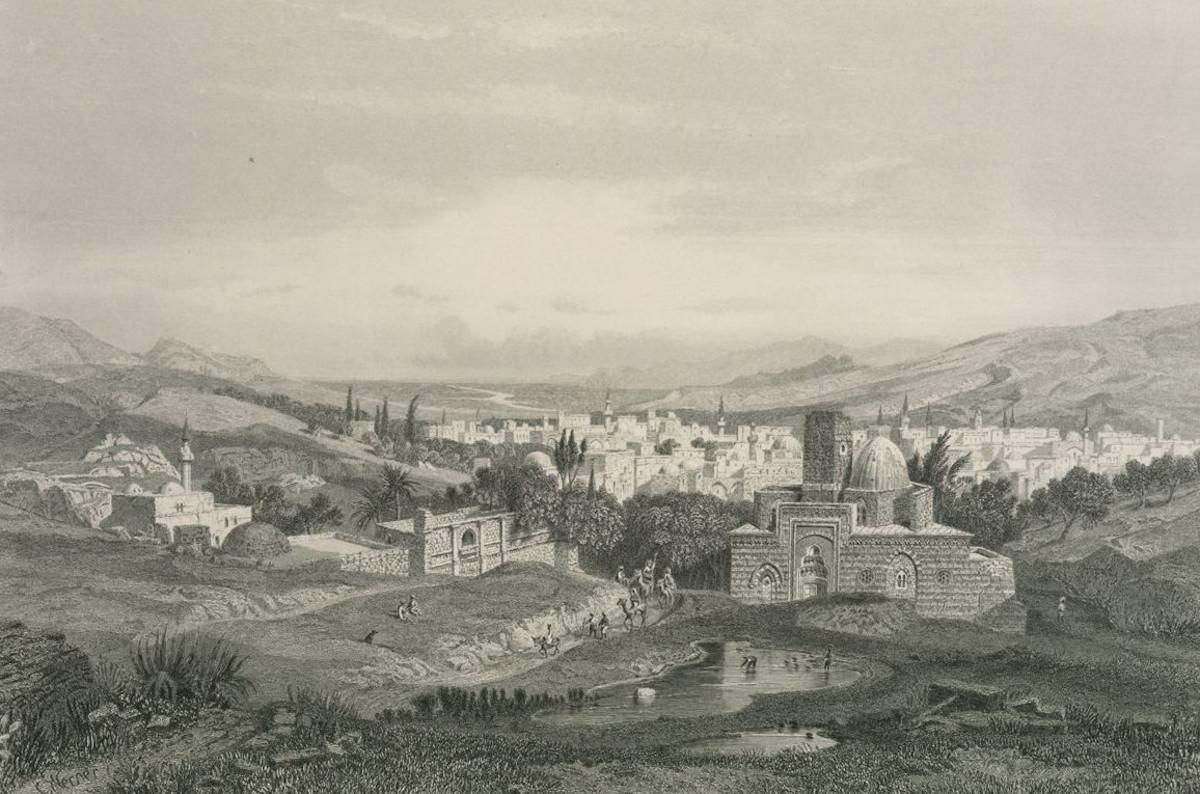
Rivers of Damascus.
©NYPL
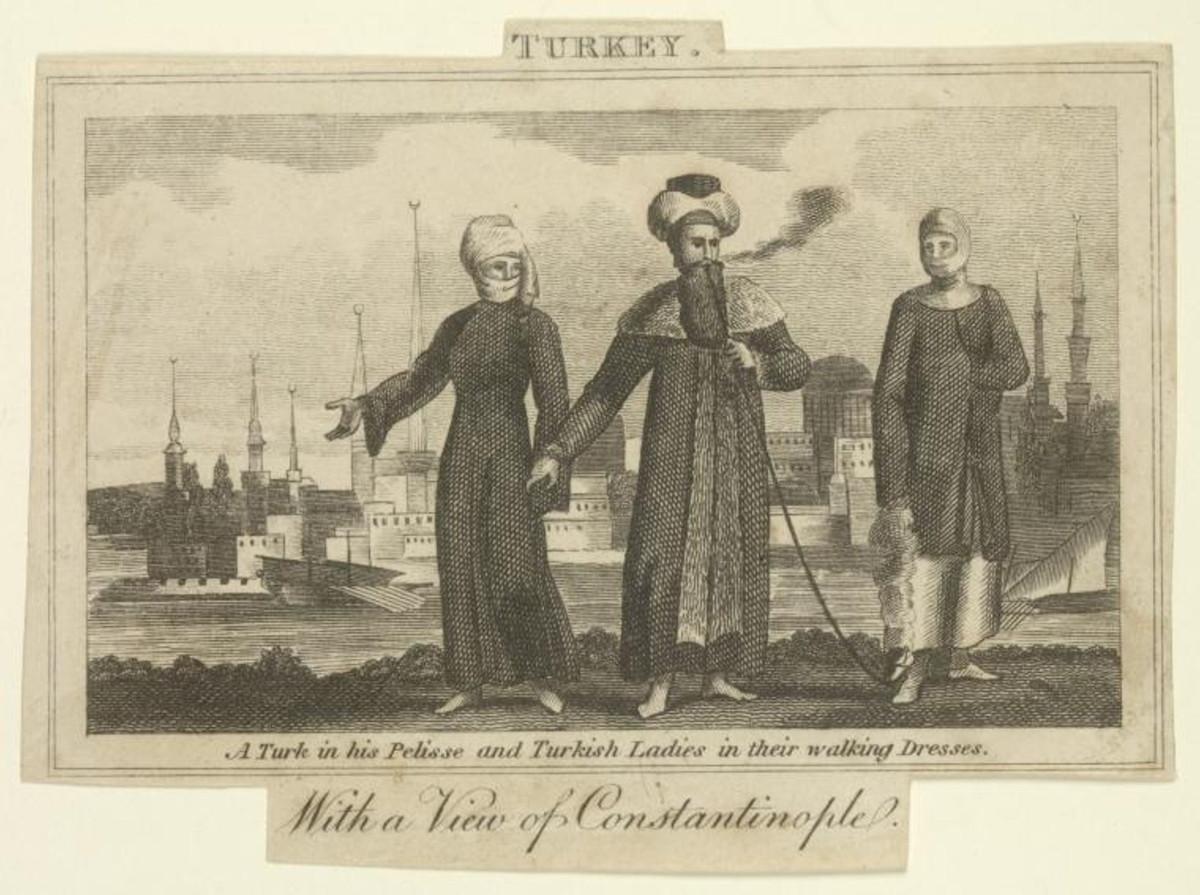
A scene of people in Turkey with views of Constantinople.
©George Arents Collection, The New York Public Library. “Turkey, with a view of Constantinople.” The New York Public Library Digital Collections. 1801-1900.
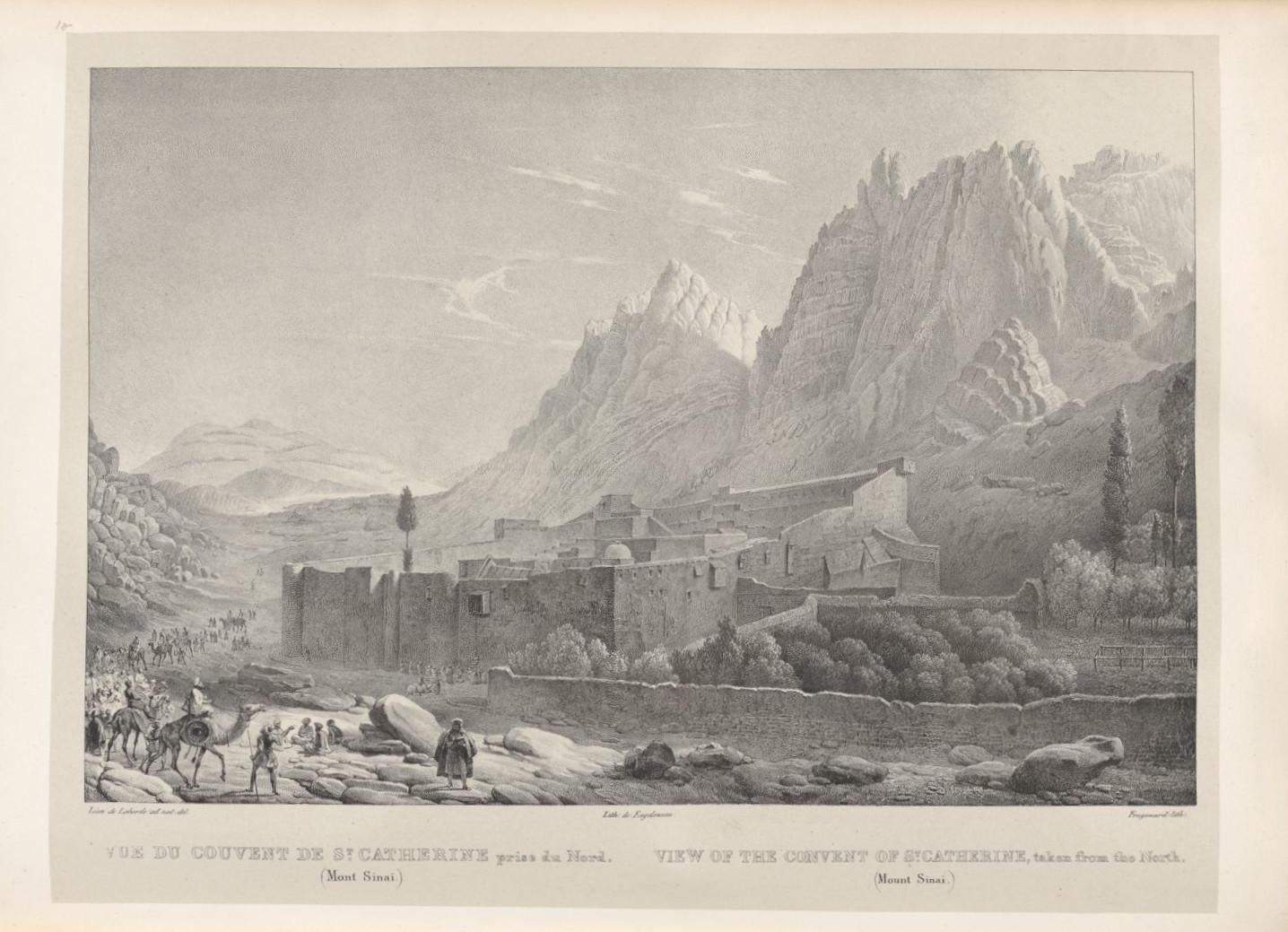
Monastery of Saint Catherine.
©General Research Division, The New York Public Library. “Couvent de St. Catherine (Mont Sinaï).” The New York Public Library Digital Collections. 1830.
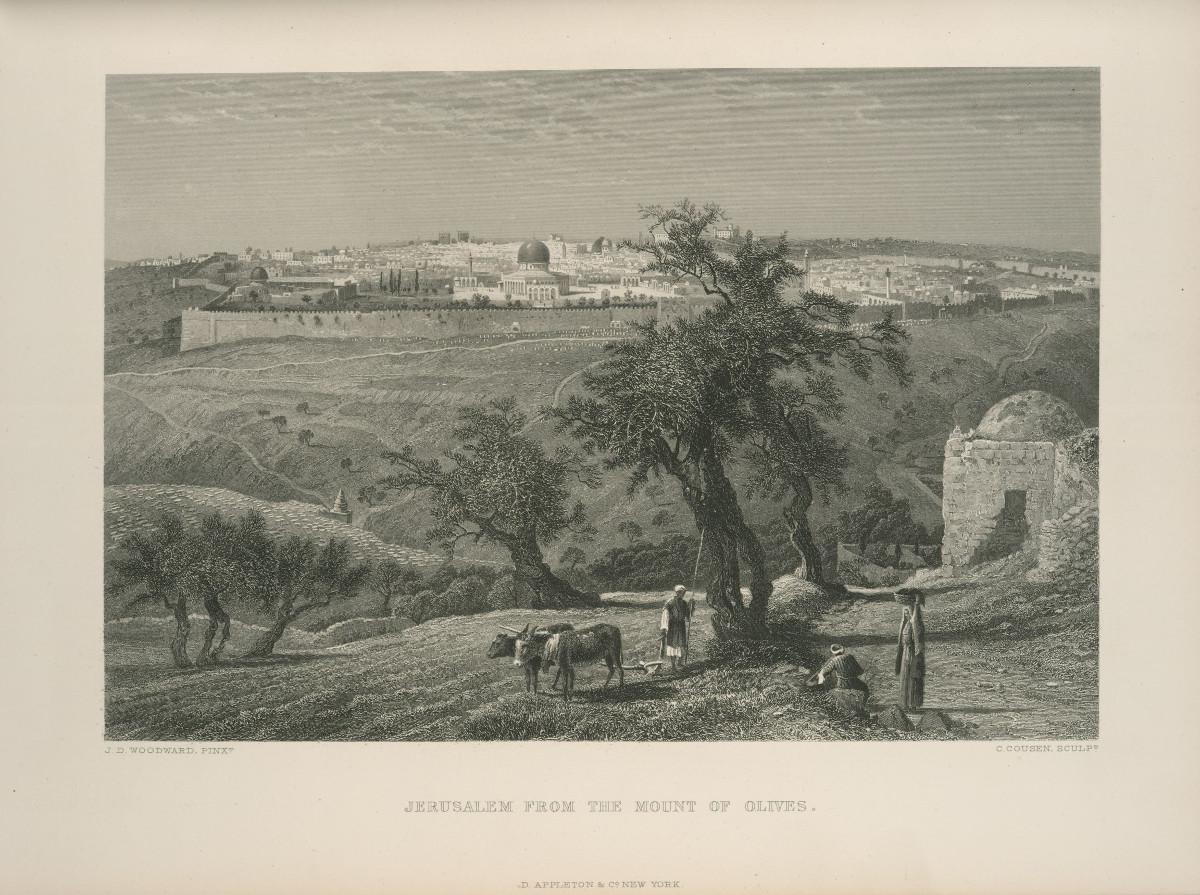
View of Jerusalem from the Mount of Olives
©Dorot Jewish Division, The New York Public Library. “Jerusalem from the Mount of Olives” The New York Public Library Digital Collections. 1881-1884.
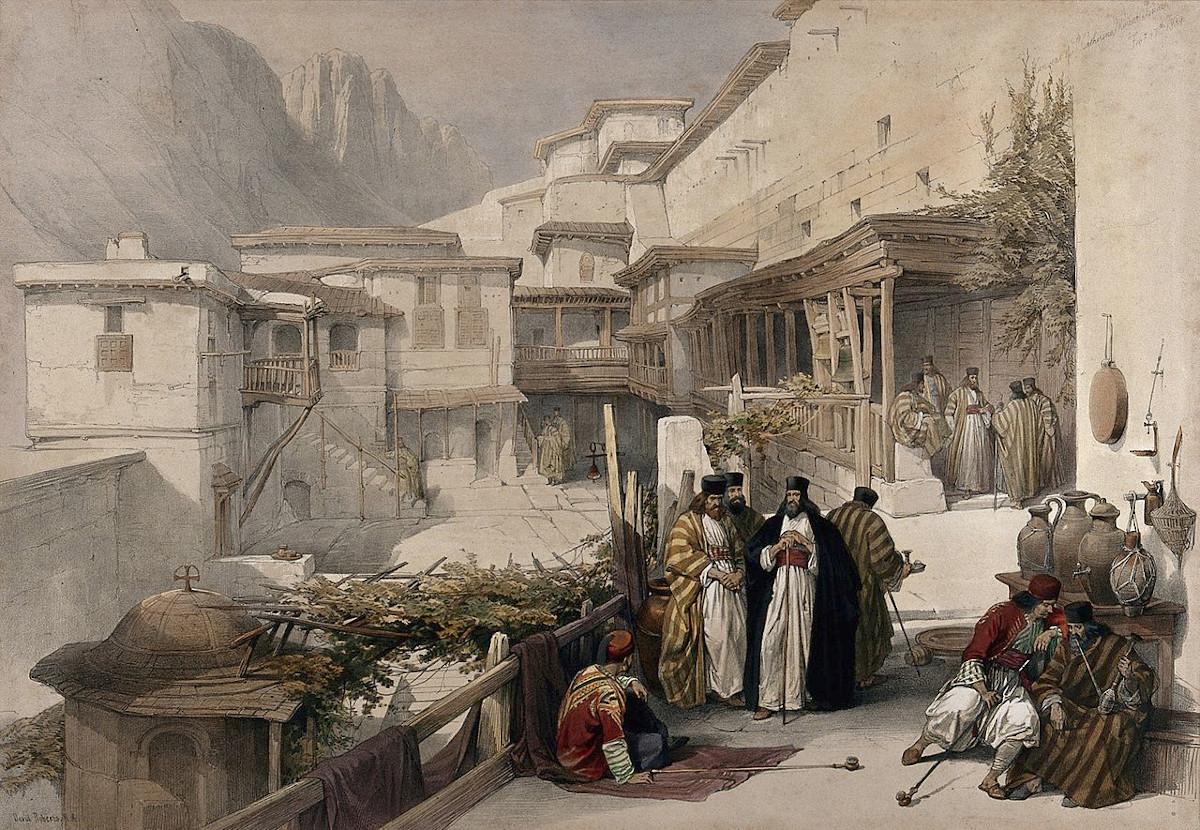
St Catherine’s Monastery on Mount Sinai, with monks chatting in the main courtyard.
Coloured lithograph by Louis Haghe after David Roberts, 1849. ©CC BY 4.0
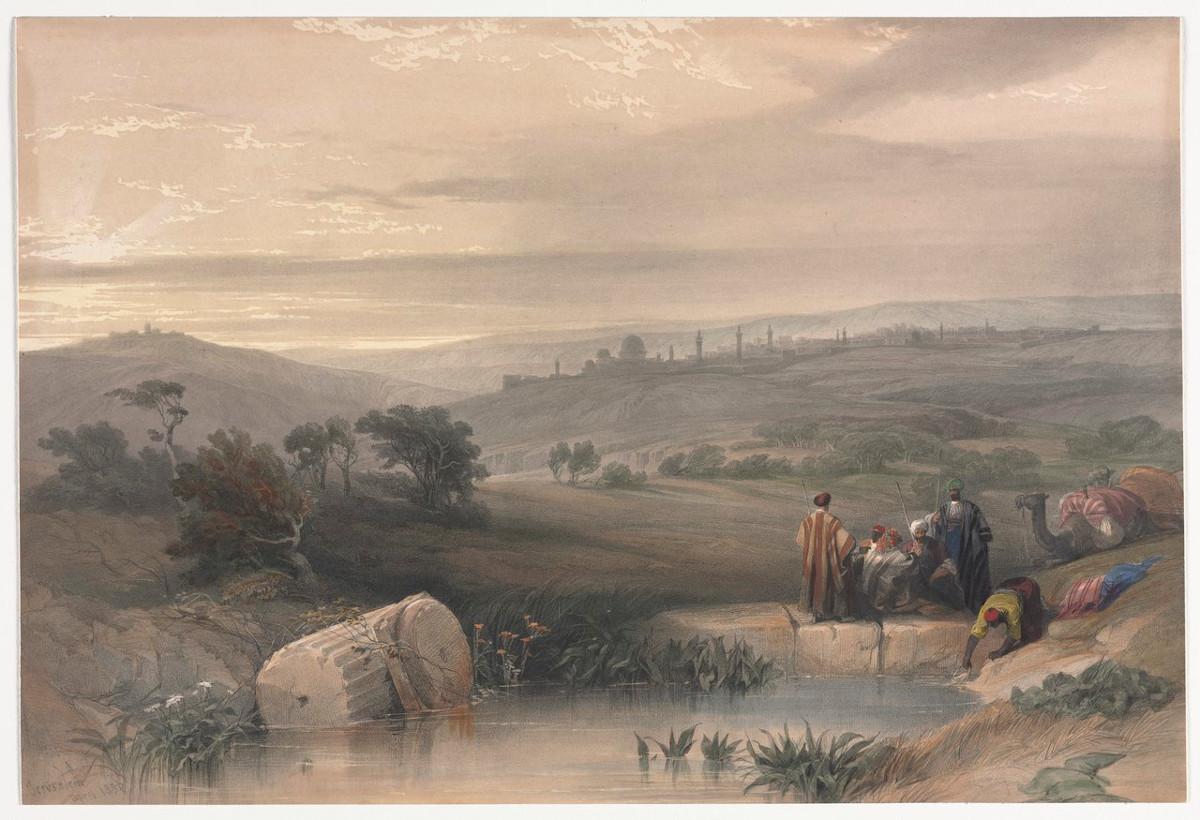
A reconstruction of Jerusalem as seen from the north.
Colour lithograph by David Roberts, 1839. © Gift of the Ohio C. Barber Estate through Andrew C. Escudero. Cleveland Museum of Art
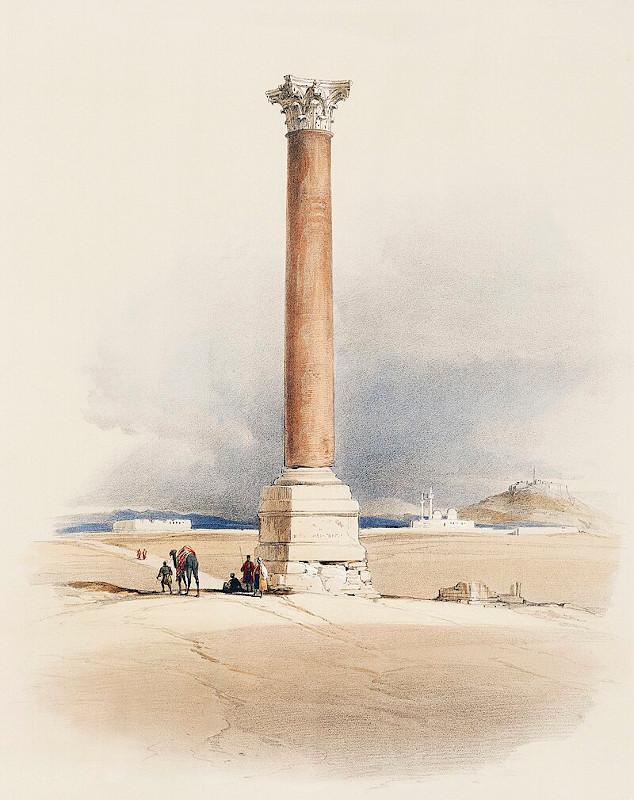
Pompey’s Column in Alexandria.
Illustration by David Roberts (1796–1864). ©CC BY 4.0